

Lindian Resources Acquires SARECO Rare Earth Plant in Kazakhstan for $15M, Enhancing Malawi Project Integration
Data Source Statement: Except for publicly available information, all other data are processed by SMM based on publicly available information, market communication, and relying on SMM‘s internal database model. They are for reference only and do not constitute decision-making recommendations.
For any inquiries or to learn more information, please contact: lemonzhao@smm.cn
For more information on how to access our research reports, please contact:service.en@smm.cn
Related News
Common.Time.minsAgo
US DLA Contracts REalloys for Rare Earth Metals Plant to Boost Domestic Production and Supply Chain Security
Read More
US DLA Contracts REalloys for Rare Earth Metals Plant to Boost Domestic Production and Supply Chain Security
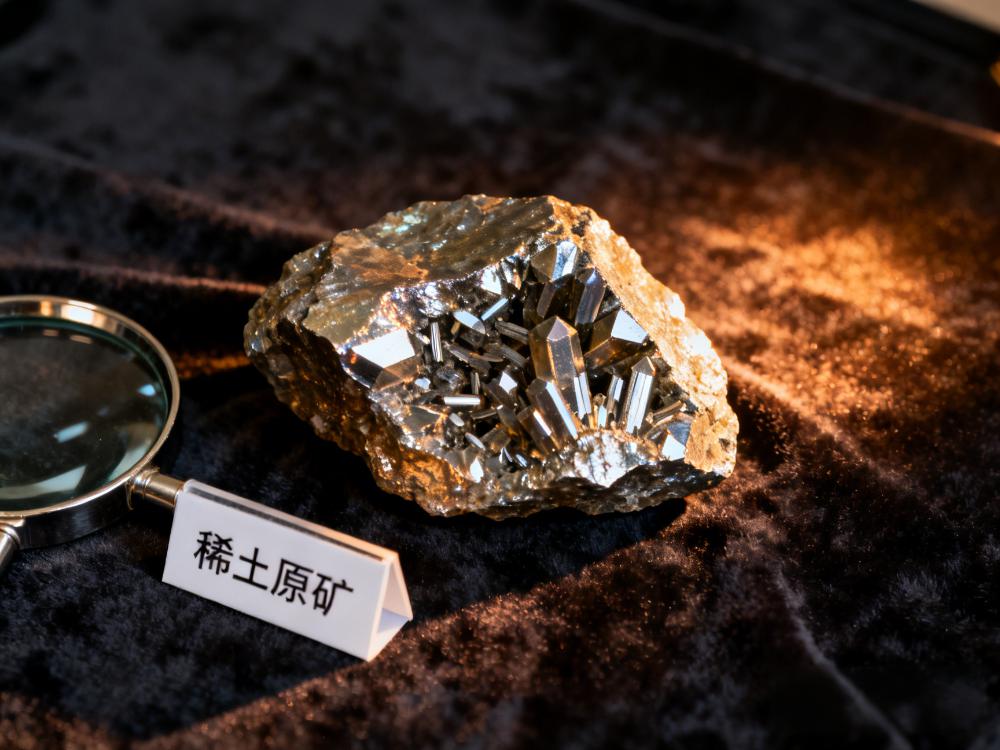
The US Defense Logistics Agency signed a contract with rare earth producer REalloys to support the development of next-generation thermal reduction technology for samarium and gadolinium metals. The core of the effort is to build a plant with an annual capacity of 300 mt to reduce mixed samarium–europium–gadolinium concentrates into high-purity metals. At present, the US has no commercial production of either metal and is heavily reliant on overseas supply. REalloys said its process can cut costs by 50% and has been patented. The move aims to establish domestic capacity and strengthen national defense supply chain security.
Common.Time.minsAgo
Common.Time.minsAgo
Canadian Neo and Cyclic Materials Partner on Rare Earth Recycling to Boost EU Processing Capacity
Read More
Canadian Neo and Cyclic Materials Partner on Rare Earth Recycling to Boost EU Processing Capacity
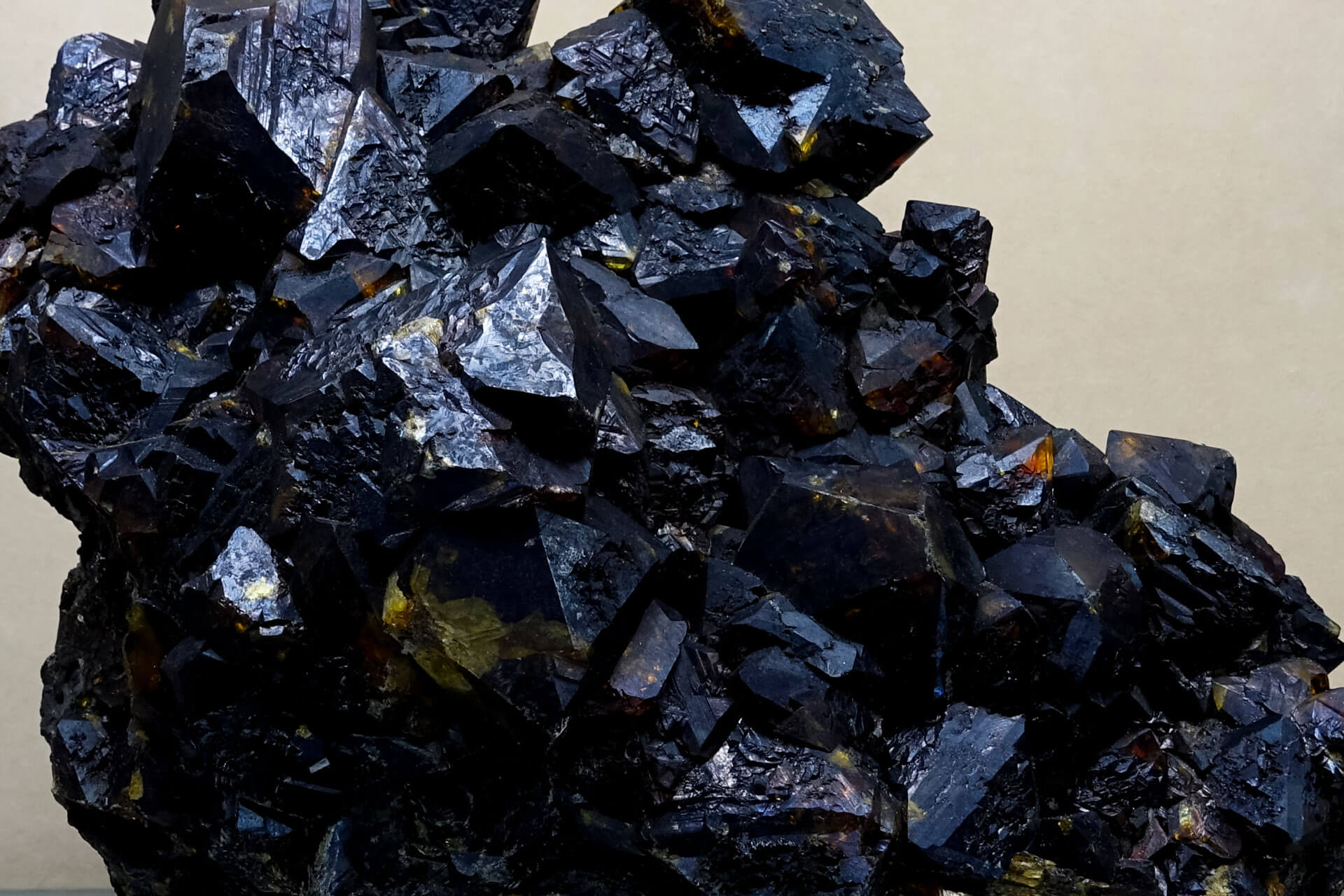
Neo Performance Materials of Canada and Cyclic Materials announced that they have reached a rare earth recycling agreement. Neo will supply Cyclic with magnet production scrap from its European plants, which Cyclic will recycle into mixed rare earth oxides for Neo to manufacture alloys and magnets. This move aligns with the objectives of the EU Critical Raw Materials Act and enhances rare earth processing and recycling capacity.
Neo operates a 2,000 mt/year magnet facility in Estonia and is expected to expand it to 5,000 mt/year. Cyclic is building a recycling campus in South Carolina, with initial capacity of 2,000 mt/year for magnet processing and 600 mt/year for mixed rare earth oxides, which will increase to 6,000 mt/year and 1,800 mt/year, respectively, after expansion.
Common.Time.minsAgo
Common.Time.minsAgo
Energy Fuels' Australian Project to Supply 50% of US Heavy Rare Earth Demand by 2028
Read More
Energy Fuels' Australian Project to Supply 50% of US Heavy Rare Earth Demand by 2028
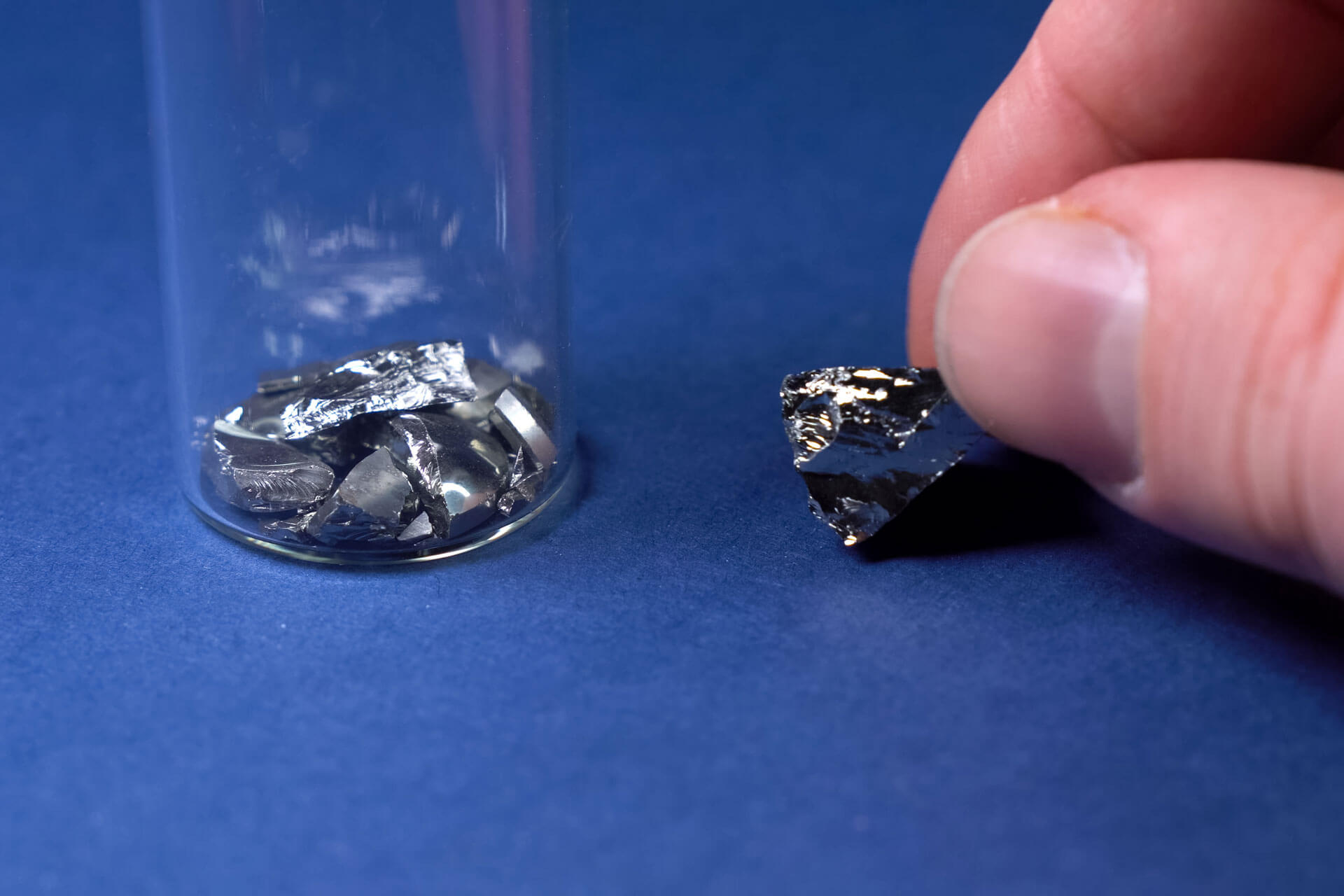
US critical minerals producer Energy Fuels said that once its Donald project in Australia comes on stream, it was expected to meet up to 50% of US demand for heavy rare earth elements. The project was expected to supply rare earths to the White Mesa facility in Utah from the end of 2027 to early 2028.
In Phase 1, the Donald project could meet about 25% of US heavy rare earth demand, and Phase 2 could increase this to 50%. The project will produce 1,531 mt of Pr-Nd oxide, 168 mt of dysprosium, and 29 mt of terbium per year. After the Phase 2 expansion of the White Mesa facility, dysprosium capacity will reach 288 mt/year and terbium 80 mt/year.
Common.Time.minsAgo
Related News
US DLA Contracts REalloys for Rare Earth Metals Plant to Boost Domestic Production and Supply Chain Security
Mar 04, 2026 15:00
Canadian Neo and Cyclic Materials Partner on Rare Earth Recycling to Boost EU Processing Capacity
Mar 04, 2026 14:59
Energy Fuels' Australian Project to Supply 50% of US Heavy Rare Earth Demand by 2028
Mar 04, 2026 14:56
Malaysia Renews Lynas Rare Earths' License for 10 Years to Import and Process Radioactive Materials
Mar 02, 2026 12:01