[Solar PV: EU Restricts Funding for Renewable and Storage Projects Using Inverters from High-Risk Countries]

Published: May 5, 2026 09:19

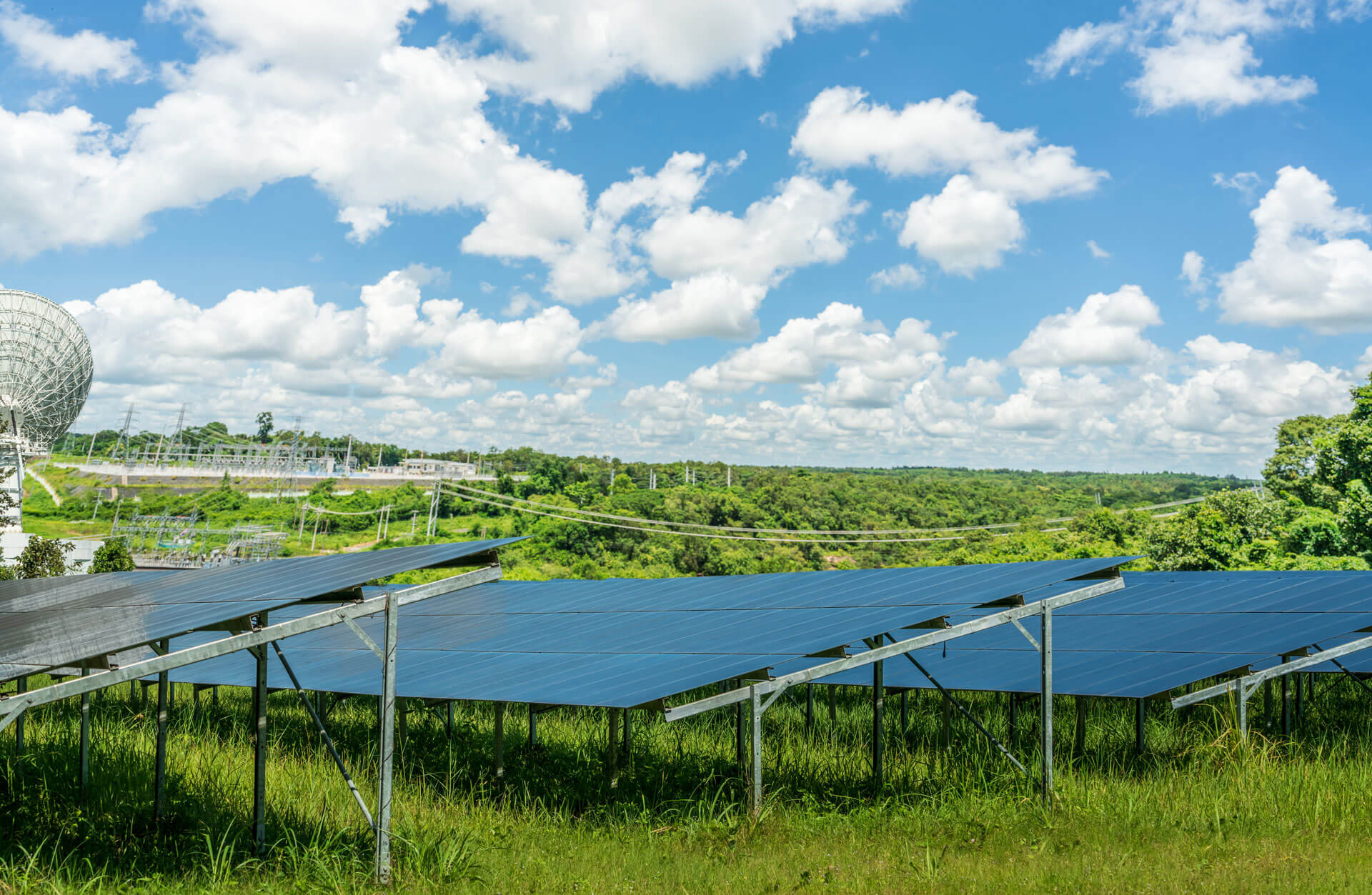
The European Commission has decided to restrict EU funding—including through the European Investment Bank (EIB) and the European Investment Fund (EIF)—for solar, wind, and battery energy storage projects utilizing inverters from high-risk countries, namely China, Russia, Iran, and North Korea, citing cybersecurity risks.

The policy, communicated to financial institutions, took effect on May 1, 2026. While initial media reports highlighted restrictions on photovoltaic solar projects, it is now confirmed that battery energy storage systems (BESS) are also included in the directive. The industry is awaiting the official publication of the new guidelines, as the Commission does not currently plan to issue a public announcement or press release on the matter.

Data Source Statement: Except for publicly available information, all other data are processed by SMM based on publicly available information, market communication, and relying on SMM‘s internal database model. They are for reference only and do not constitute decision-making recommendations.

For any inquiries or to learn more information, please contact: lemonzhao@smm.cn
For more information on how to access our research reports, please contact:service.en@smm.cn
Related News
[Solar PV: Netherlands to Introduce Grid Fees for Large-Scale Solar Plants by 2032]
Common.Time.minsAgo
[Solar PV: Netherlands to Introduce Grid Fees for Large-Scale Solar Plants by 2032]
Read More
[Solar PV: Netherlands to Introduce Grid Fees for Large-Scale Solar Plants by 2032]
[Solar PV: Netherlands to Introduce Grid Fees for Large-Scale Solar Plants by 2032]
The Netherlands Authority for Consumers and Markets (ACM) has announced plans to introduce a grid fee for large-scale electricity producers, including solar power plants. The tariff is expected to take effect no earlier than January 2032, requiring producers to contribute to grid maintenance and expansion costs to promote more efficient network utilization. ACM stated that the fee will be phased in gradually and will be closely aligned with the tariff structure in Germany, the Dutch energy market’s largest trading partner.
Common.Time.minsAgo
[Solar PV: France Launches 925 MW Tender with Strict Supply Chain Resilience Rules]
Common.Time.minsAgo
[Solar PV: France Launches 925 MW Tender with Strict Supply Chain Resilience Rules]
Read More
[Solar PV: France Launches 925 MW Tender with Strict Supply Chain Resilience Rules]
[Solar PV: France Launches 925 MW Tender with Strict Supply Chain Resilience Rules]
The French energy regulator (CRE) has published specifications for the "AO PPE2 PV Sol" tender, targeting 925 MW of ground-mounted and agrivoltaic solar projects exceeding 500 kW. A dedicated 200 MW tranche is reserved for projects under 5 MW. The bidding window opens on July 20, 2026, and closes on July 30. The tender introduces significant supply chain resilience requirements in line with the European Net Zero Industries Act (NZIA). To qualify, projects must avoid assembly in dominant non-EU third countries.
Common.Time.minsAgo
[Solar PV: Indonesia's PLN Launches 1.2 GW Mentari Nusantara I Solar Tender]
Common.Time.minsAgo
[Solar PV: Indonesia's PLN Launches 1.2 GW Mentari Nusantara I Solar Tender]
Read More
[Solar PV: Indonesia's PLN Launches 1.2 GW Mentari Nusantara I Solar Tender]
[Solar PV: Indonesia's PLN Launches 1.2 GW Mentari Nusantara I Solar Tender]
Indonesian state-owned utility PLN has opened the Mentari Nusantara I solar tender, targeting a total capacity of 1,225 MW across various regions, including 600 MW in Java, 340 MW in Kalimantan, and 120 MW in Maluku and Papua. Launched on April 30, the tender uses the 'Giga One' integrated procurement scheme designed to bundle projects and boost economies of scale. The target commercial operation date for the projects is 2029. The initiative represents a major step toward Indonesia's ambitious target of building 100 GW of solar capacity, building upon the country's current installed capacity of 1.49 GW.
Common.Time.minsAgo