From June 3 to June 5, Indonesia Critical Minerals 2026 was held at the Pullman Jakarta Central Park in Jakarta, Indonesia. The conference was organized by Shanghai Metals Market (SMM) and co-organized by the Indonesia Nickel Miners Association (APNI), the Ministry of Foreign Affairs of the Republic of Indonesia, the National Economic Council of Indonesia, and MMR, in a strategic partnership with the Jakarta Futures Exchange.
The conference featured six dedicated forums: the main forum, the nickel and cobalt forum, the tin forum, the coal & energy transition forum, the aluminum forum, and dedicated sub-forums, attracting 3,500+ attendees from 45 countries and regions worldwide, featuring more than 120+ speakers sharing insights on market prices, supply-demand patterns, industry policies, low-carbon development, and ESG development, etc.
Conference Background of Tin Forum
In 2022, both LME and SHFE tin annual prices closed lower, and the market at the time may not have anticipated that this would serve as the prelude to a three-year upward cycle. From 2023 to 2025, tin prices recorded three consecutive years of gains, with both LME and SHFE tin surging over 30% in 2025. Entering 2026, the upward trend has continued, with tin prices hitting a new record high and becoming one of the most closely watched metals in the industrial metals market.
However, this rally has not been smooth. In the past two years, tin prices have fluctuated significantly within an upward channel, driven by deep adjustments in global supply-demand patterns, especially multiple disruptions on the supply side. On the demand side, emerging sectors such as AI servers, PV welding strips, and NEVs have rapidly risen, coupled with a recovery in consumer electronics, continuously highlighting tin's strategic value in high-end manufacturing and steadily expanding rigid demand. On the supply side, global tin resources are highly concentrated, production resumptions in Myanmar have fallen short of expectations, some ex-China mining areas have been disrupted by geopolitical factors, and Indonesia—a key link in global refined tin supply—has seen its industrial policy adjustments become a critical variable affecting market expectations.
Reviewing Indonesia's tin industry policy, the past two years have shown a clear trajectory of "standardizing and regulating, tightening exports, and promoting downstream development." In 2024, the Mining Work Plan (RKAB) was adjusted from an annual to a three-year basis, and exports experienced temporary fluctuations during the policy transition. In 2025, Indonesia further strengthened governance over illegal mining, shutting down some illegal tin mines, cracking down on smuggling activities, and adjusting tin ore royalty fees, leading to higher production costs. Entering 2026, the policy direction has become clearer, with studies on restricting refined tin exports, lowering export quotas, and plans to raise tin royalty tax rates, promoting the transition from resource exports to high value-added processing. These adjustments are reshaping the rhythm and trade patterns of the global tin supply chain.
As an important platform connecting the global tin industry chain with the Indonesian resource market, the Tin Forum focuses on the latest developments in Indonesia's tin policies, the evolution of the global tin supply-demand pattern, price trend analysis, and industrial cooperation opportunities. It brings together government officials, industry experts, miners, smelters, and downstream end-user representatives to jointly explore new opportunities in the global supply chain amid the transformation of Indonesia's tin industry.
Click to view photo gallery of tin forum
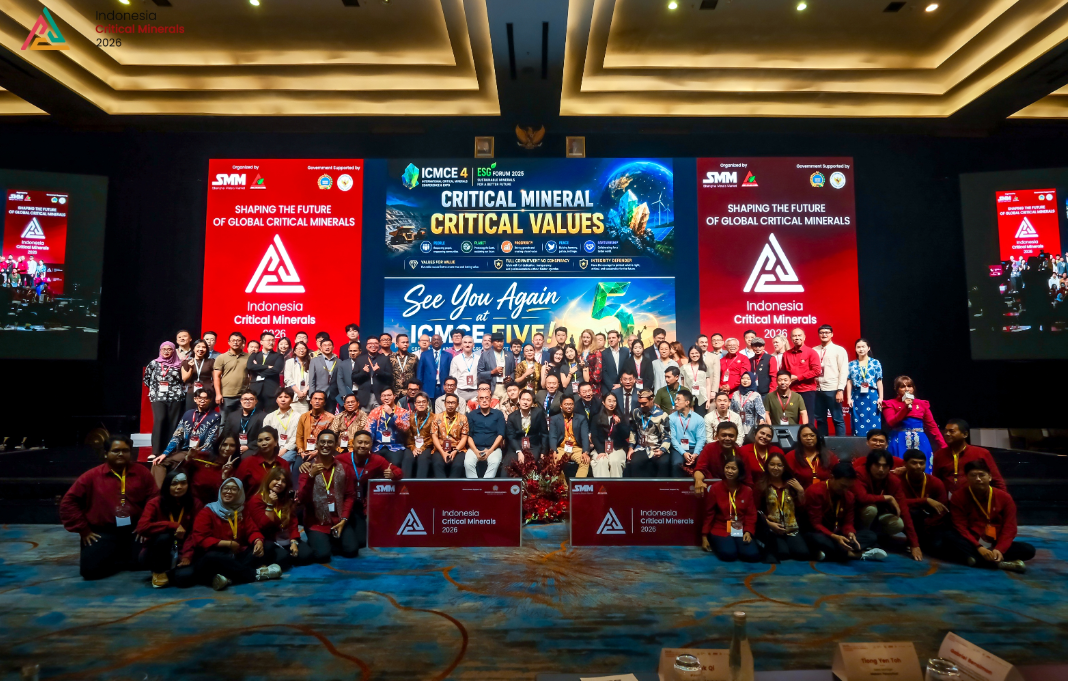
Tin Forum
June 4
Visit to the Association of Indonesian Tin Exporters (AETI)
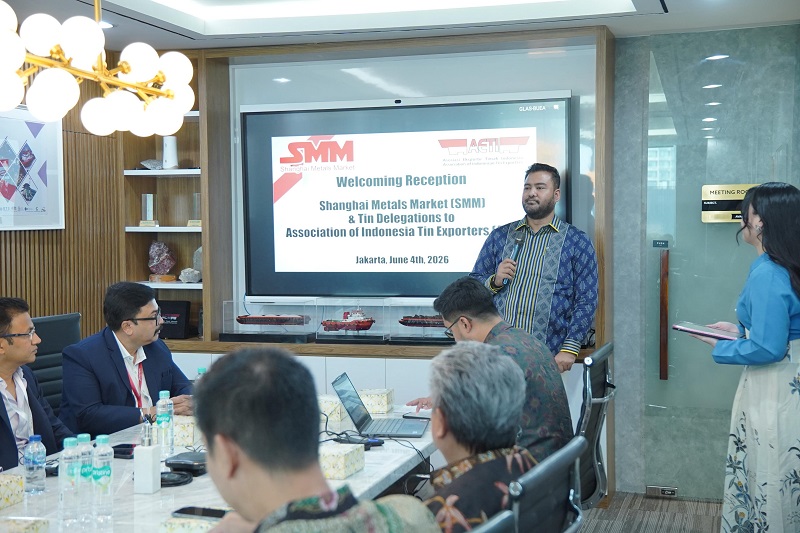
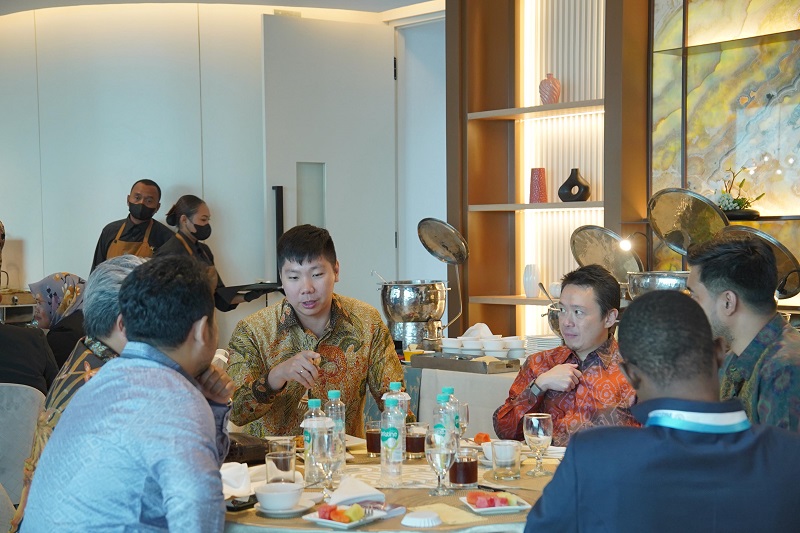
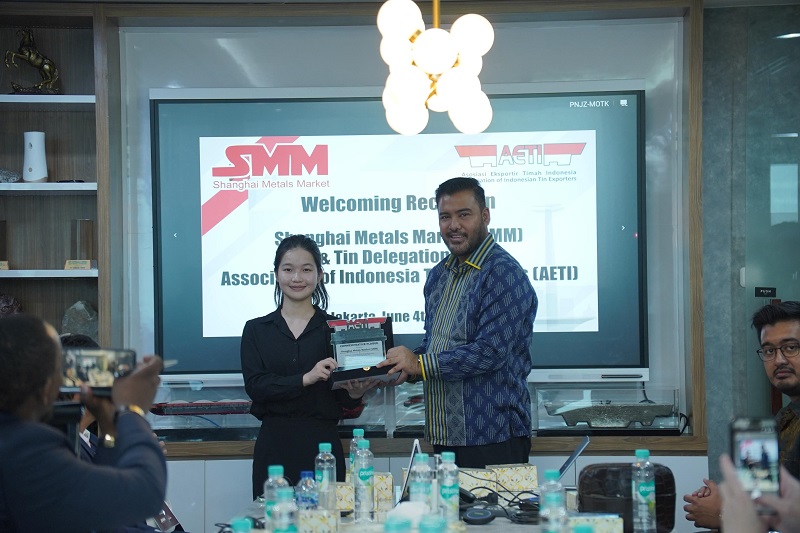
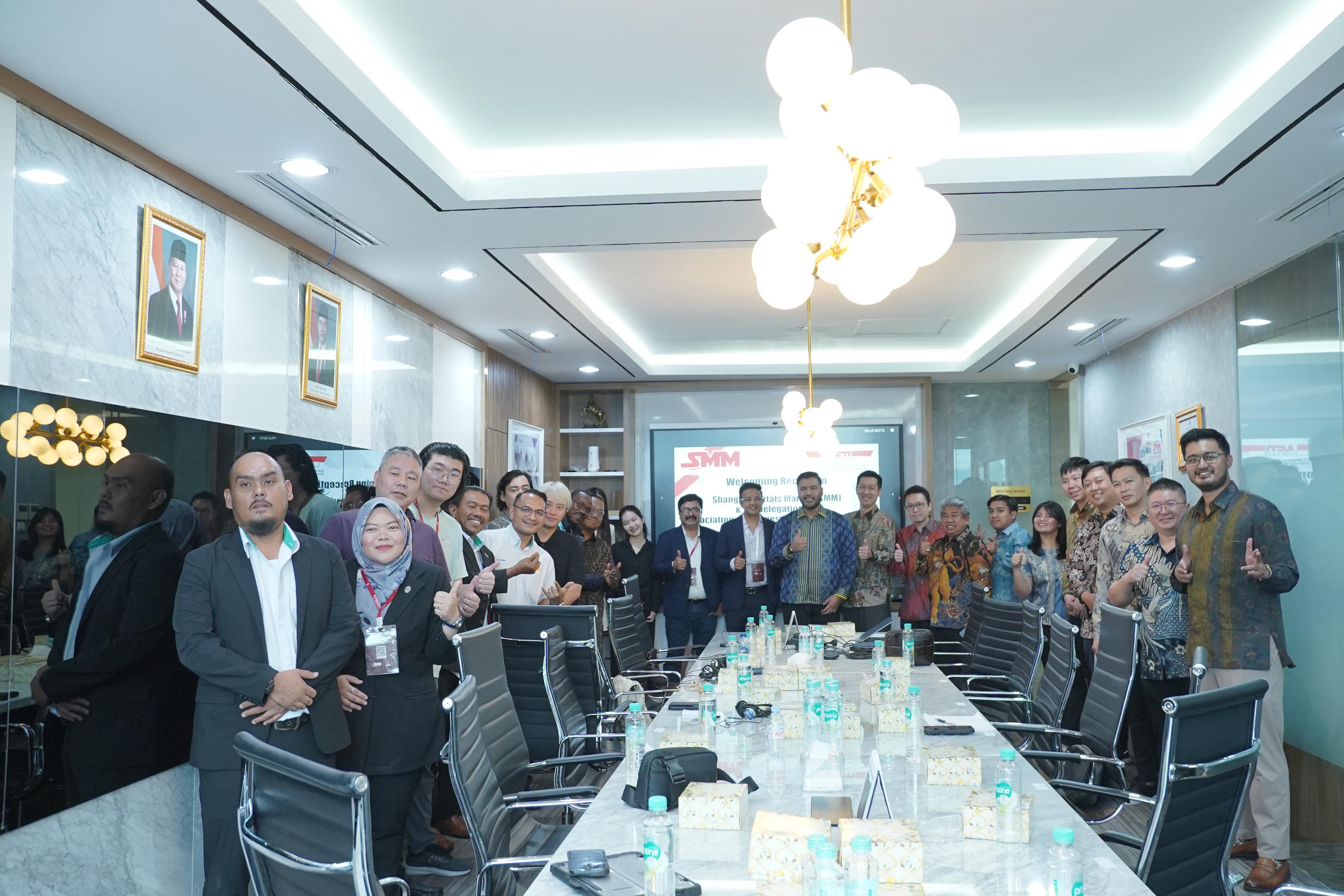
Shanghai Metals Market (SMM) is pleased to announce that an SMM-led delegation, headed by SMM Copper & Tin Overseas Marketing Manager Jenny Wu and made up of delegates from the Indonesia Critical Minerals Conference & Expo 2026, conducted a formal visit to the Association of Indonesian Tin Exporters (AETI) on June 4.
The event was organized by SMM and co-organized by Indonesia’s Ministry of Foreign Affairs, National Economic Council, Indonesia Nickel Miners Association (APNI), and MMR, with the Jakarta Futures Exchange as the strategic partner.
This visit underscores SMM’s commitment to fostering long-term, win-win partnerships between Indonesia’s top mineral exporters and global metals industry stakeholders.
Supply and Demand Exchange Session
June 5
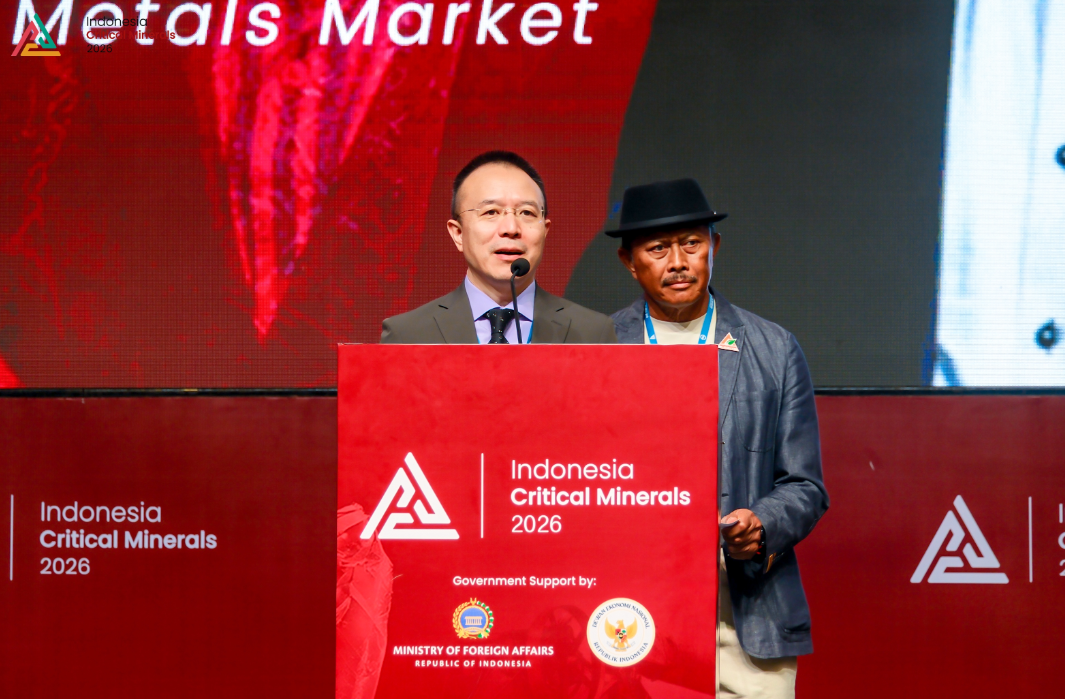
Opening Remarks
Speaker: Adam Fan, Chairman of SMM
Keynote Speech
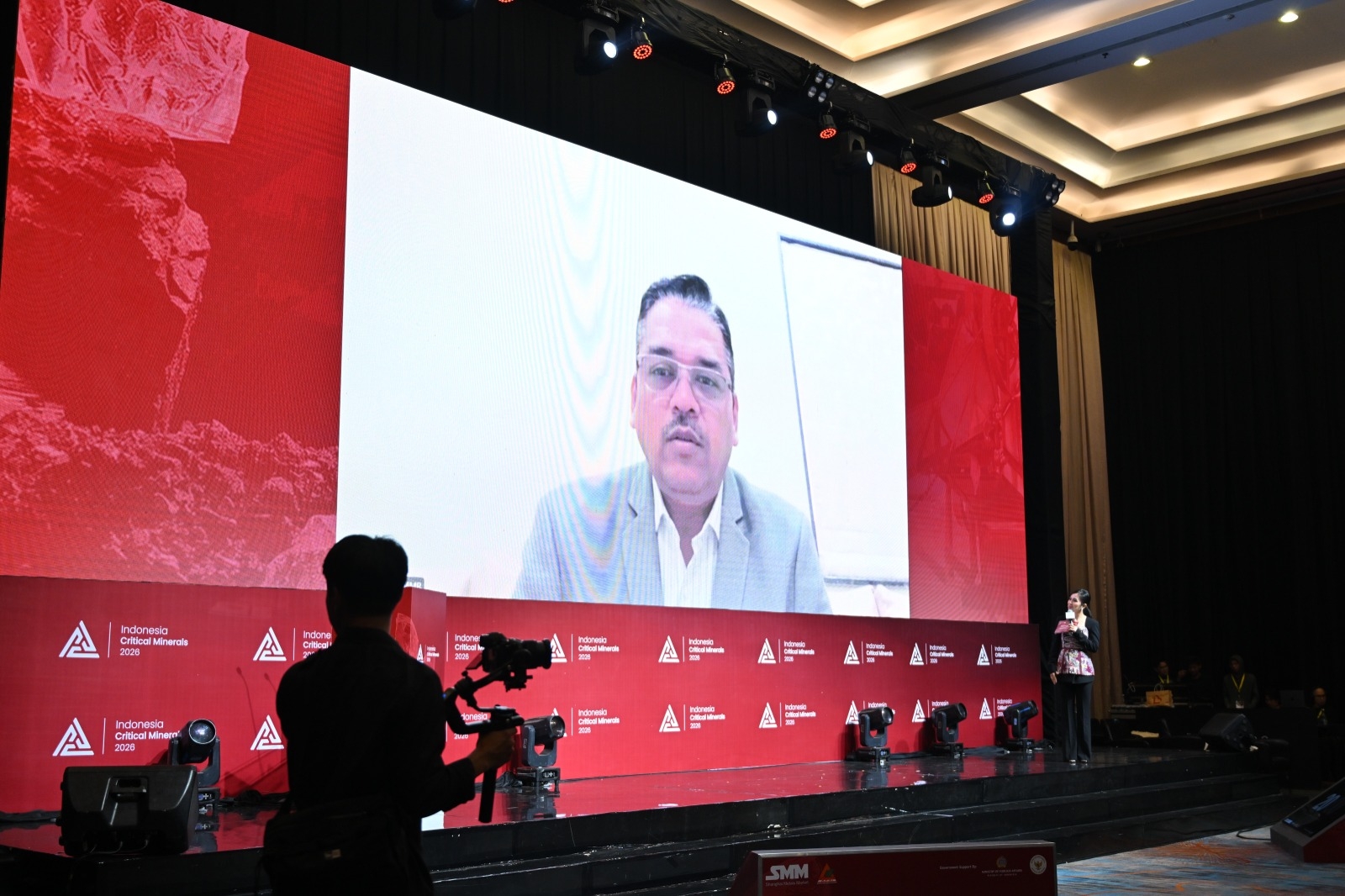
Keynote Speech: DRC Tin Ore: Current Supply Status and Market Dynamics Insights
Speaker: Raj Chug, General Manager, Mining Mineral Resources
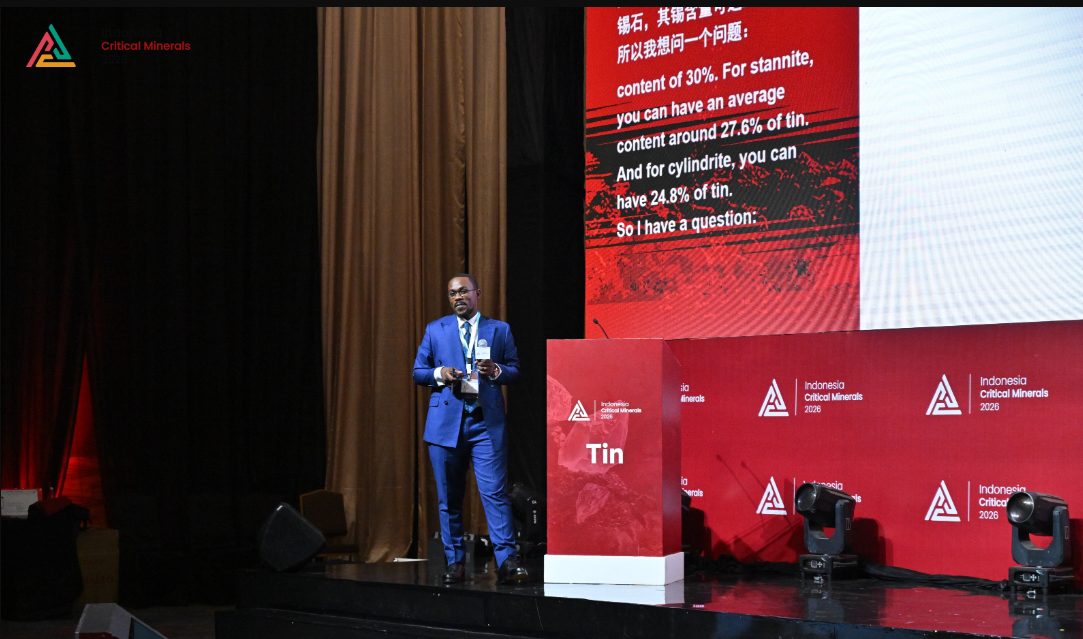
Keynote Speech: African Tin Ore: Resource Potential and Supply Chain Breakthrough Paths Amid Supply Shortages
Speaker: Egyul Mamoko, Metallurgist Expert, CTCPM (Cellule Technique de Coordination et de Planification Minière)
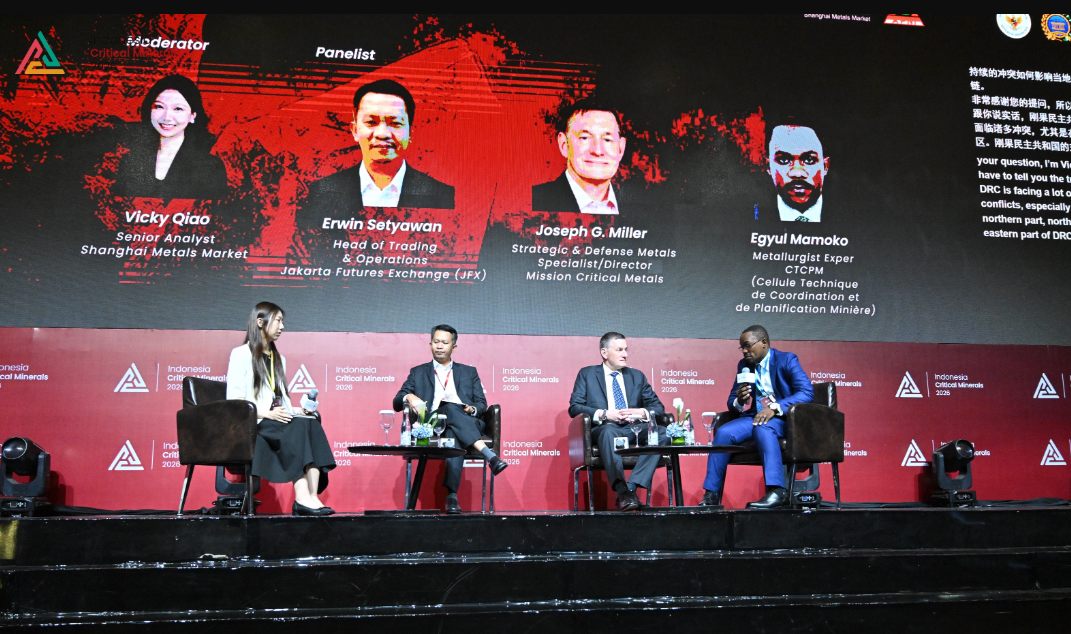
[Panel Discussion] Global Tin Mine Supply Seminar: Current Status, Opportunities, and Future Challenges
Moderator: Vicky Qiao, Senior Analyst at SMM
Panelists: Egyul Mamoko, Metallurgist Expert, CTCPM (Cellule Technique de Coordination et de Planification Minière)
Erwin Setyawan, Head of Trading & Operation, Jakarta Futures Exchange
Joseph G. Miller Esq, Strategic & Defense Metals Specialist/Director, Mission Critical Metals, Mission Critical Metals
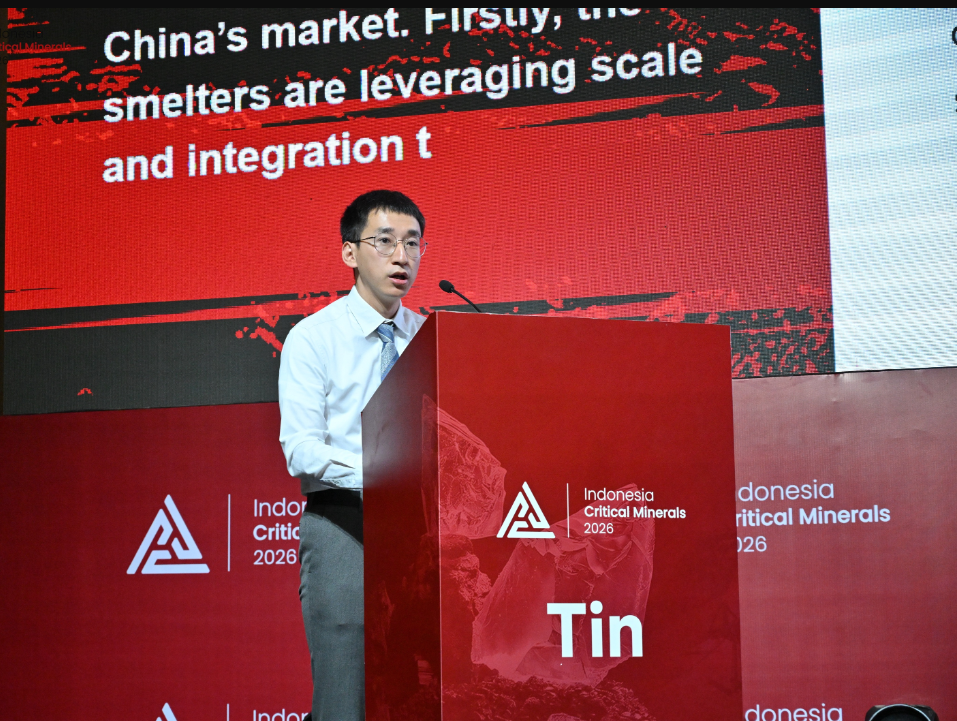
Keynote Speech: The Development Trend of the Tin Market in China
Speaker: Zheyu Zhang, Tin Market Analyst, Marketing Department, Yuntin (Honghe) Investment Development Co., Ltd.
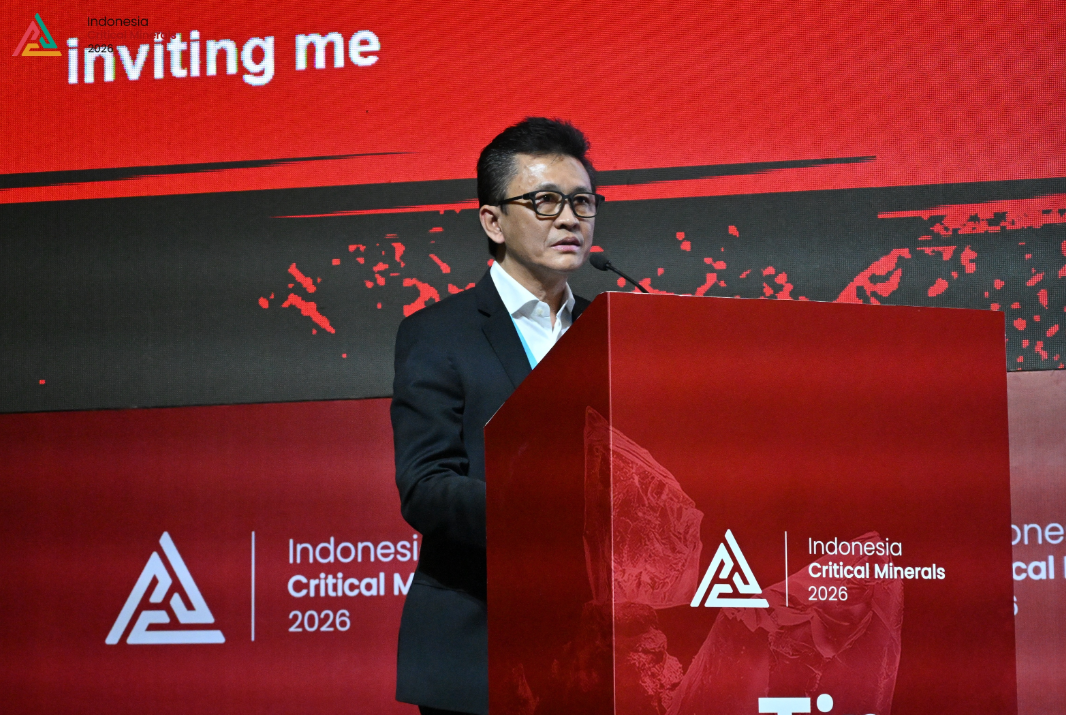
Keynote Speech: Opportunities and Challenges for Smelters Under Indonesia's New Tin Industry Policies
Speaker: Yazid Kanca Surya, Chief Executive Officer, Jakarta Futures Exchange
Fragmented Global Supply Chain System
Reshaping of the Geopolitical Landscape: Trade disputes and geopolitical tensions are profoundly altering traditional commodity trade patterns.
Industrial Security:Countries are increasingly prioritizing long-term stable supply of strategic resources over short-term price advantages.
Focus on Critical Minerals: Tin’s industry role is no longer isolated; it has become a core issue in the global energy transition and high-end manufacturing sectors.
Evolution of the Tin Market
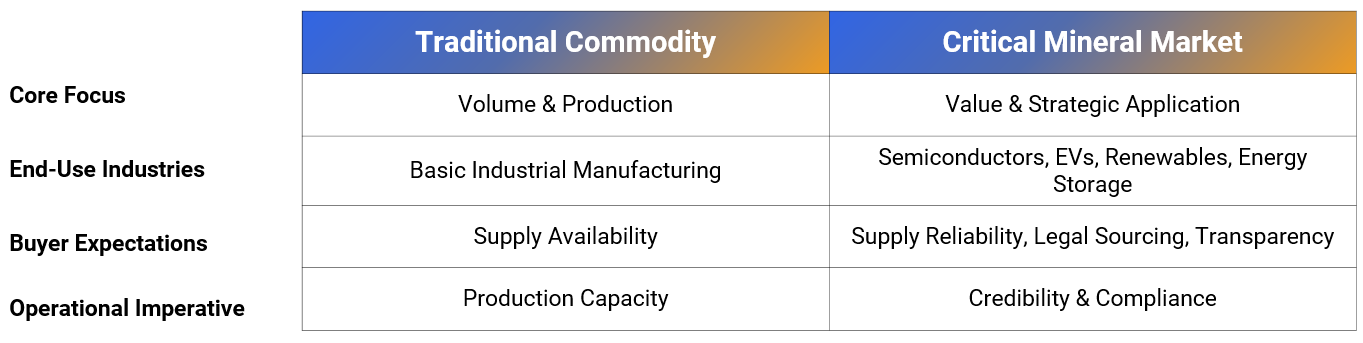
The industry is entering a new phase where credibility is as important as capacity.
Promoting Downstream Industrialisation (Hilirisasi)
•Historical Development Background: Indonesia has long been dominated by the supply of primary processed products, with most downstream value addition achieved outside China.
•Strategic Goals: Indonesia is adjusting export policies, trade management, and supply chain oversight to retain high-value-added industries within the country.
Strengthening regulation and cracking down on illegal mining are not punitive measures, but rather efforts to build a transparent system to help the local area vigorously promote the development of downstream industries.
Smelters Under Pressure
Upstream uncertainties: Illegal mining disrupts the market, raw material supply fluctuates, and price trends are difficult to predict.
Downstream market requirements: Strict compliance standards, full transparency in raw material traceability, and continuously rising screening thresholds for buyers.
Market Volatility Intensifies
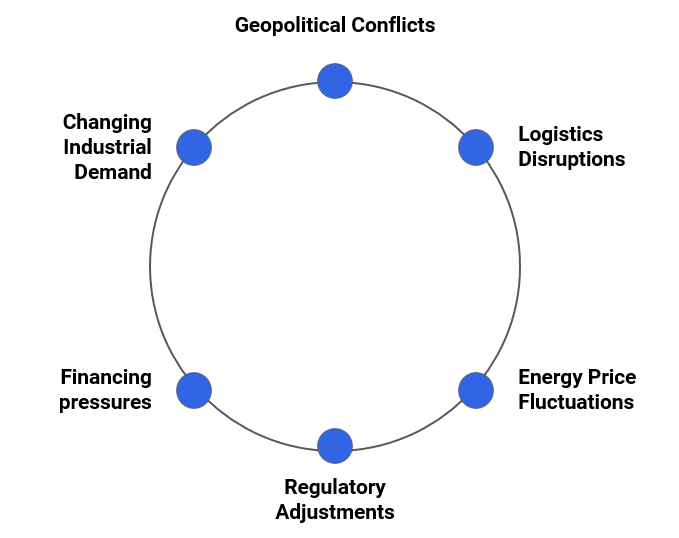
The uncertainty in the current operating environment has increased significantly. Enterprises must not only cope with production risks, but also simultaneously address the multiple pressures arising from external shocks and rising operating costs.
Investment Barriers in Deep Processing
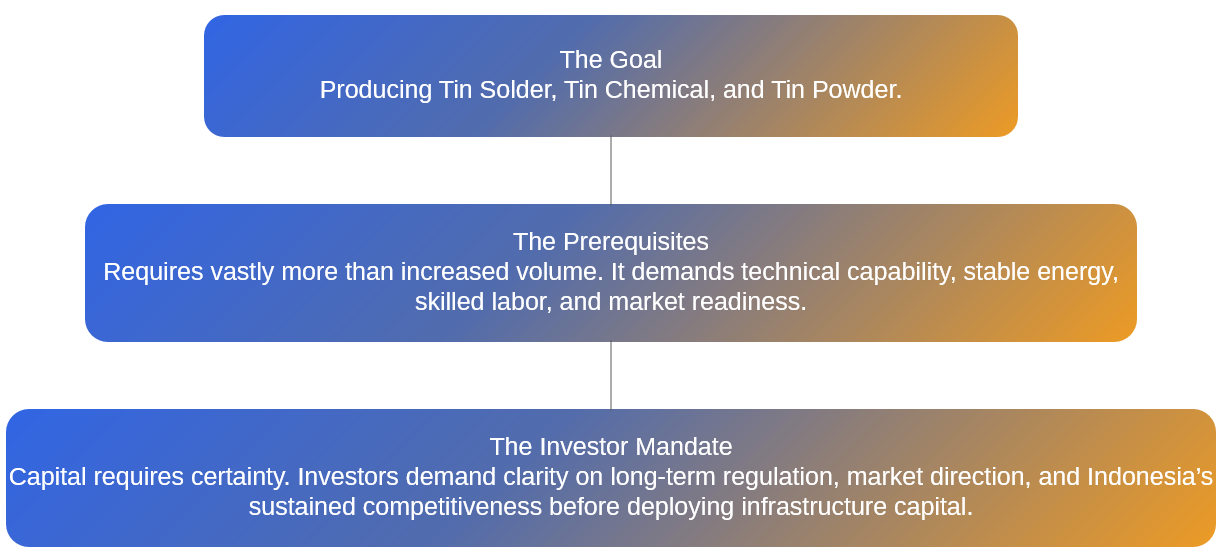
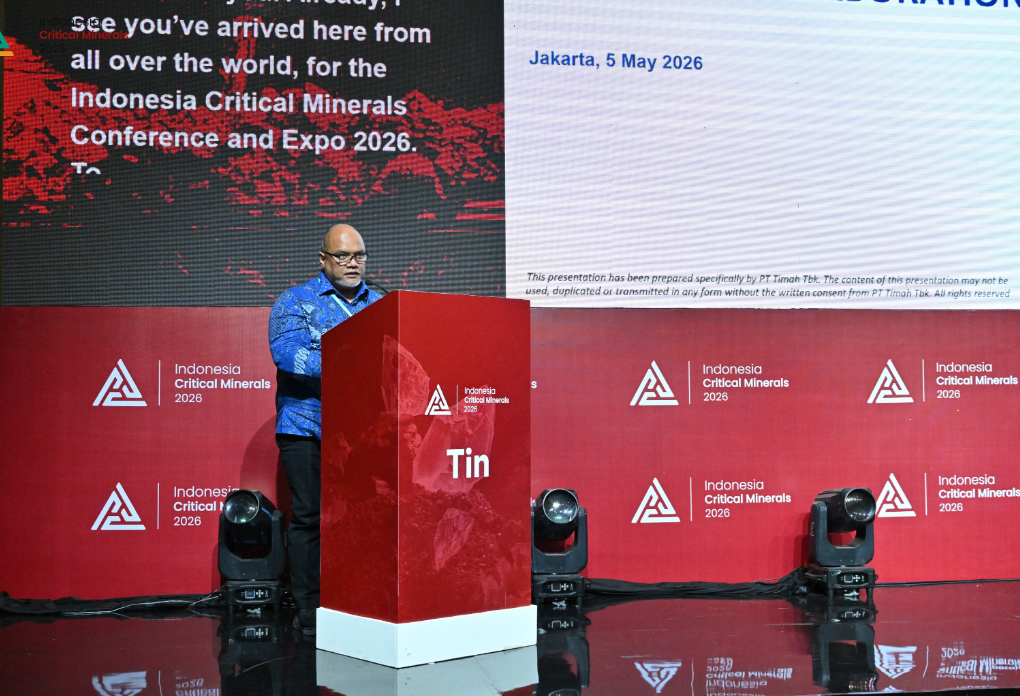
Keynote Speech: Deepening Downstream Diversification, Joining Hands to Foster Long-term Prosperity
Guest Speaker: HARRY BUDI SIDHARTA, S.T, MM., Vice President Director, PT Timah (Persero) Tbk
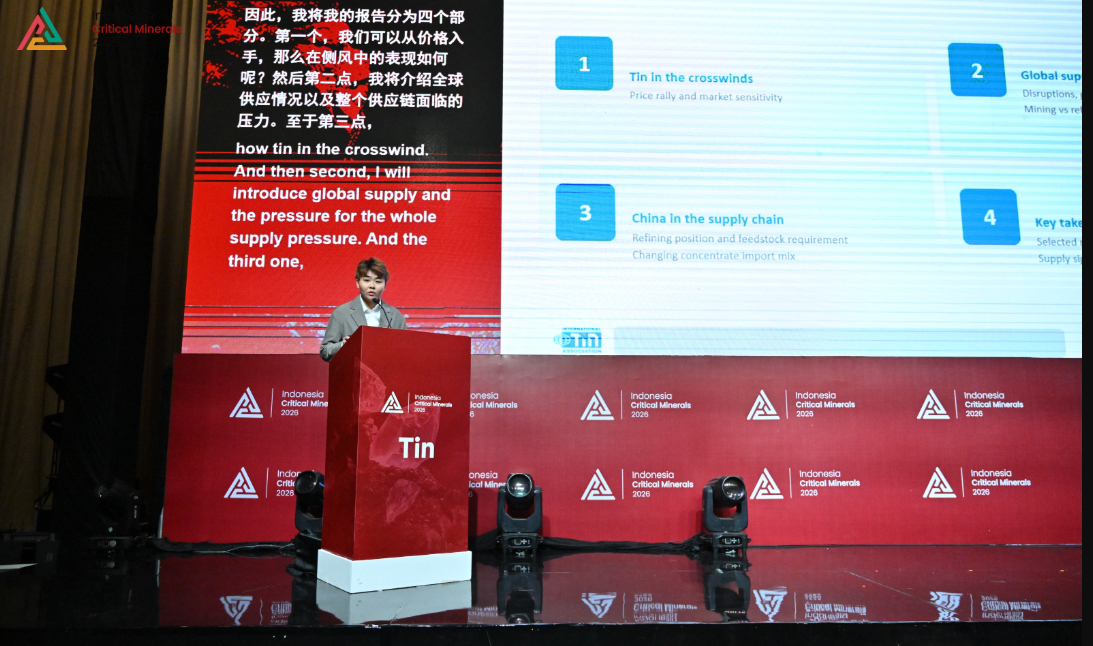
Keynote Speech: Challenges and Opportunities for China's Tin Industry amid Global Tin Ore Supply Changes
Guest Speaker: Huanbo Qin, Market Analyst, International Tin Association China
Keynote Speech: Analysis of Global Tin Price Trends and Future Outlook
Speaker: Vicky Qiao, Senior Analyst, Shanghai Metals Market
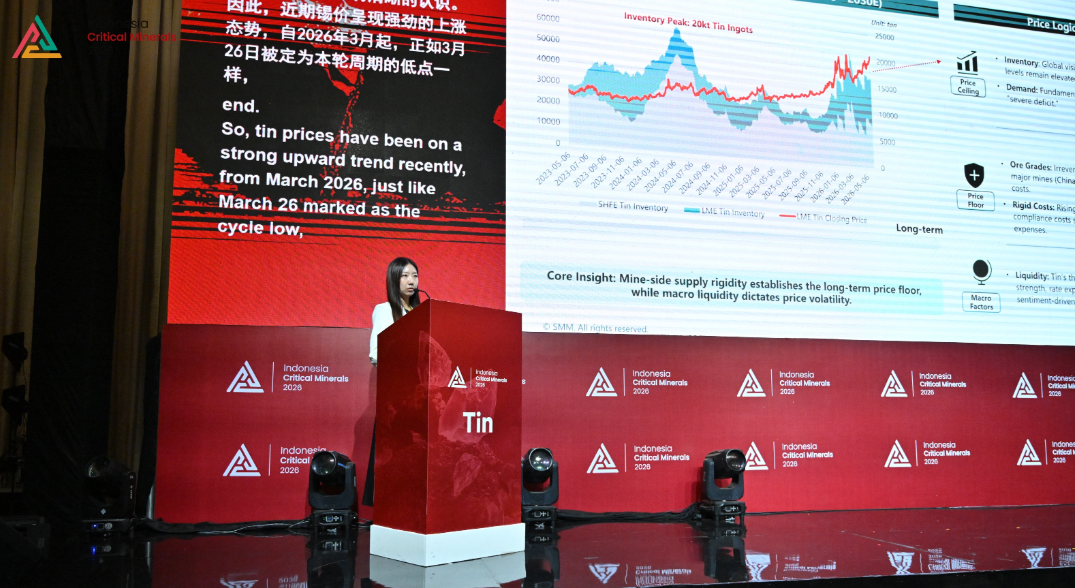
Price Trend Overview
Price Review: Amid macroeconomic and geopolitical disruptions, market fundamentals have provided structural support
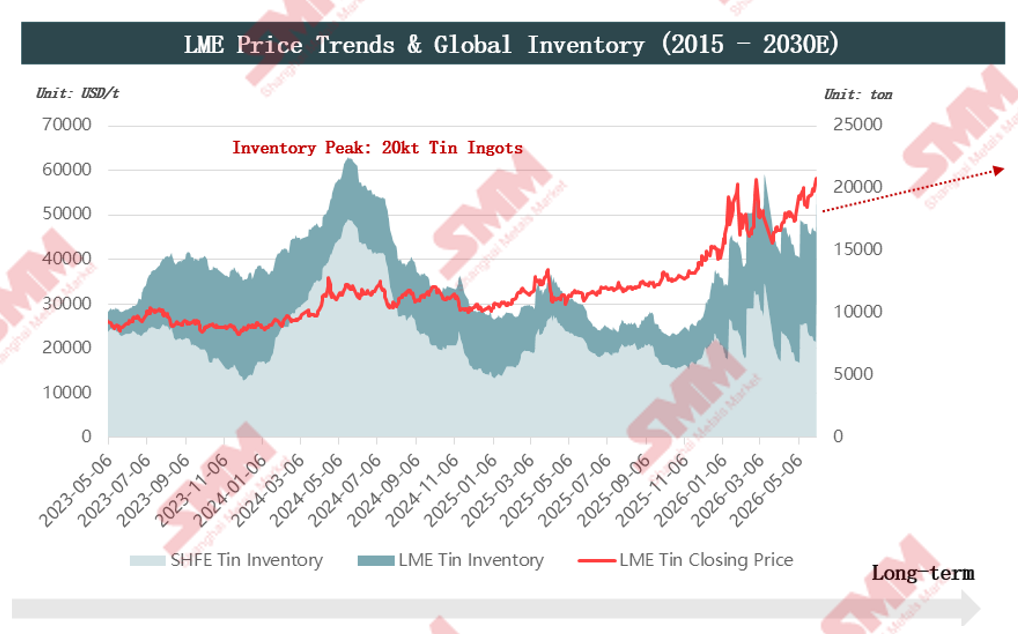
Key Points: Tight mine-side supply has established a long-term price floor, while macro liquidity has primarily driven price fluctuations.
Tin Resources and Mine Supply Landscape
Supply elasticity is limited, accompanied by a high geographic concentration of reserves; the global static mine life is less than 15 years.
Rising mine production alongside shrinking global resources has accelerated reserve depletion in producing countries.
DRC: Output from major mines remained stable; however, M23 militant activities increased market uncertainty.
►Risks
1. The M23 armed conflict has spread to the Masisi region east of the Bisie mine and the Goma border crossing between the DRC and Rwanda, directly disrupting the original tin ore transportation route via Goma to Dar es Salaam.
2. To mitigate conflict risks, security at the Bisie mine has been reinforced, and freight routes have been adjusted northward to reroute through Uganda, ultimately destined for the port of Mombasa in Kenya. Nevertheless, market concerns persist that further spread of the M23 conflict could disrupt normal production operations at the mine.
3. The DRC recently experienced an Ebola outbreak, with confirmed cases concentrated in Beni and Bunia, areas adjacent to Uganda. Strict disease prevention measures have been implemented at both the mine and along transportation links; Bisie's mining and freight activities have yet to be affected by the pandemic impact. However, the market remains apprehensive about the local mineral supply outlook.
Myanmar's Man Maw Tin Mine: Production Resumptions Hindered
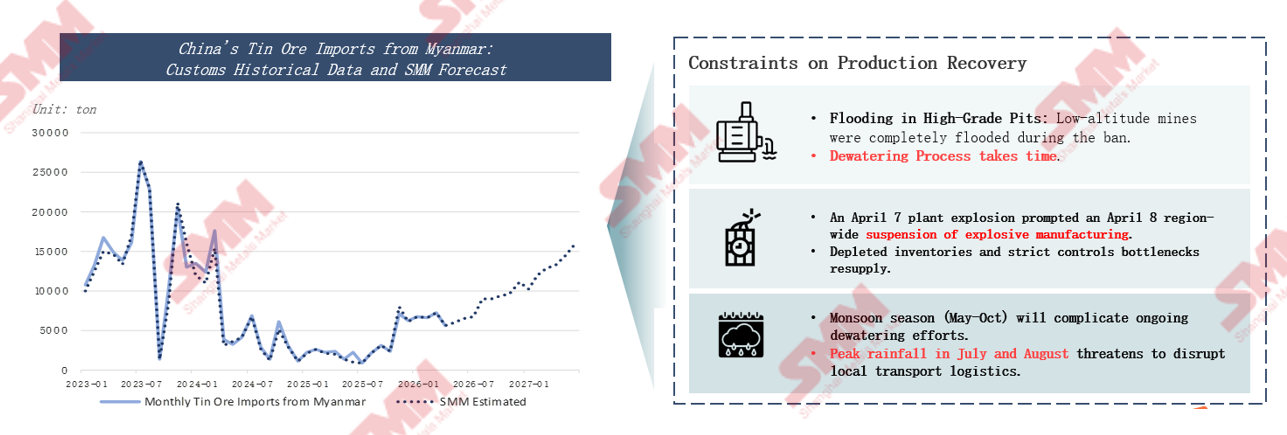
• 90% of Myanmar's tin ore production is concentrated in Wa State. To ensure rational resource extraction and stable regional development, Wa State suspended all tin ore mining starting in 2023, with new mining permits only reissued in July 2025. Due to the local rainy climate, the mine pits accumulated significant water during the suspension, making drainage the primary challenge upon work resumption. As the water accumulation issue affected multiple pits, the cost-sharing arrangements for drainage among mining enterprises were long delayed and never finalized. The resulting obstruction of drainage work has directly constrained the mine's production resumption progress.
•In February 2026, the local government issued detailed rules clarifying the cost-sharing standards for drainage, and the Wa State tin mine immediately began resuming production.
•Currently, strict approval and control of civilian explosives in Myanmar, compounded by disruptions to mining and logistics caused by the rainy season, have led to progress in local production resumptions falling short of expectations. Full resumption is expected only by 2027.
The number of new tin mine projects globally is scarce, with generally low ore grades and lengthy development-to-production cycles.
New projects generally have low ore grades, posing upside risks to future mining costs and increasing operational difficulty. Only three new projects have grades above 1%. Lower ore grades mean that more raw ore must be processed to produce the same amount of tin metal.
The future supply landscape will be markedly differentiated, with total planned and under-construction projects reaching 173.5 kt in capacity, and just four major projects accounting for over 67%. Global supply will be highly dependent on these core mine projects, while five new projects in Australia can only bring a small incremental increase with limited impact.
Global Tin Ingot Supply
The high concentration of primary tin smelting capacity limits the global supply elasticity of tin ingots.
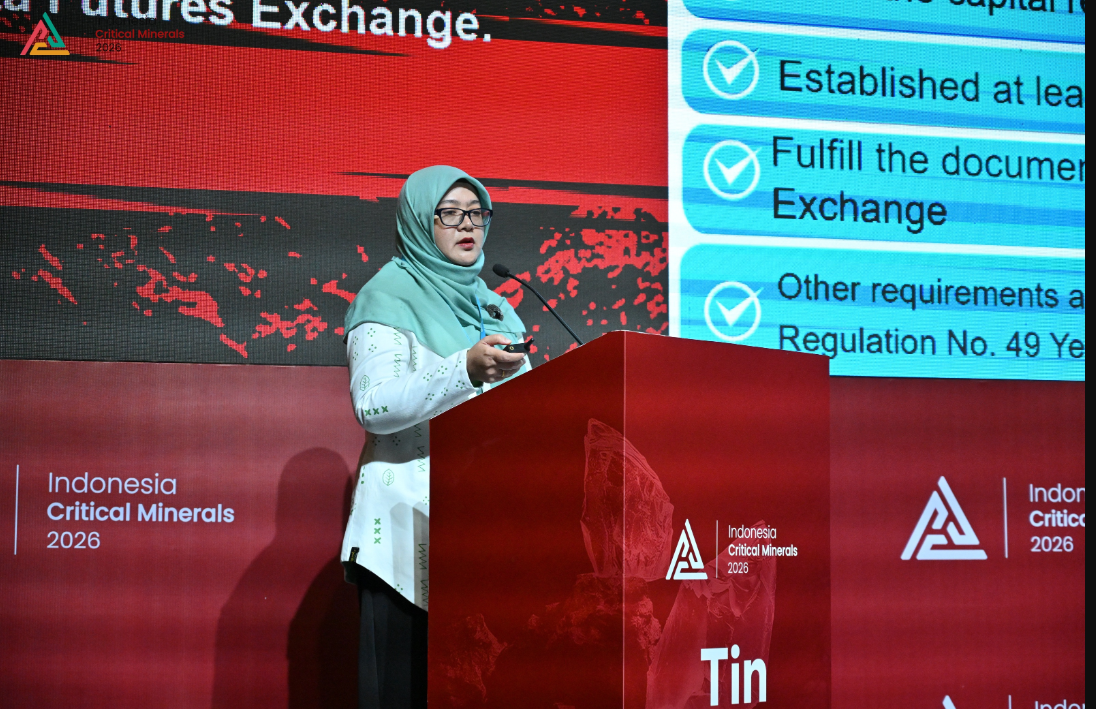
Keynote Speech: Achieving the Trading and Risk Hedging of Pure Tin Ingots Through the Standardized Trading Mechanism of the Futures Market – Commodity Futures Trading Regulatory Authority
Guest Speaker: Ima Siti Fatimah, Head of the Commodity Futures Trading Development Bureau, Ministry of Trade of the Republic of Indonesia
Keynote Speech: Under the Drive of Geopolitical Policies: Global Strategic Metal Tin Trade Restructuring, Breakthroughs in North American Secondary Production, and New Logic in Solder Consumption
Guest Speaker: Joseph G. Miller Esq, Strategic & Defense Metals Specialist/Director, Mission Critical Metals, Mission Critical Metals
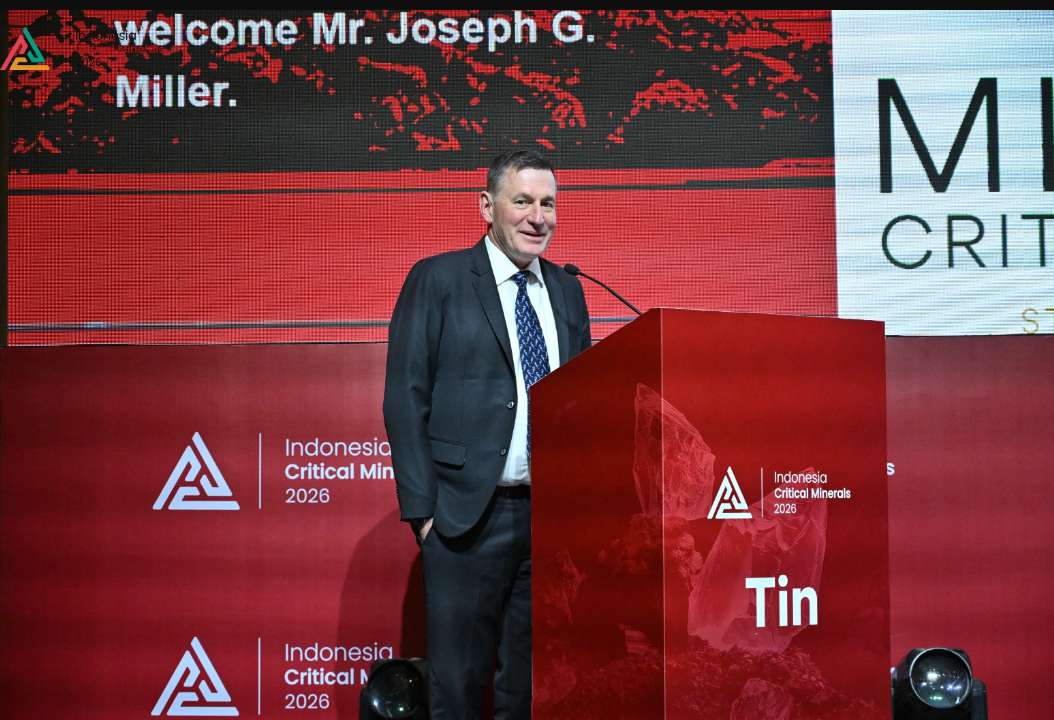
► Securing Supply: US Plan to Reshore Critical Metal (Tin) Capacity
• Lessons drawn from COVID-19 and World War II.
• No primary tin capacity currently exists in North America: no tin ore mining operations, no tin ore smelting capacity.
• The US secondary tin market is regionally fragmented.
• The US government supports the Nathan Trotter primary/secondary tin smelter.
• The Trump administration has made multiple investments in the critical metals sector.
• Security situation in the DRC and surrounding regions.
► Data Center Tin Consumption Estimates
How much tin is consumed per gigawatt of installed data center capacity?
• Servers, GPUs, network systems: 500–1,500 mt.
• Power systems, switchgear: 100–400 mt.
• Control devices, communication equipment, cooling systems: 50–200 mt.
• Tin usage per gigawatt of installed AI data center capacity is approximately 1,200–1,500 mt.
Additionally, the speaker noted: the PV industry's annual tin consumption is about 25,000 mt, with average annual new installations of around 30 GW, corresponding to tin demand of 36,000–45,000 mt.
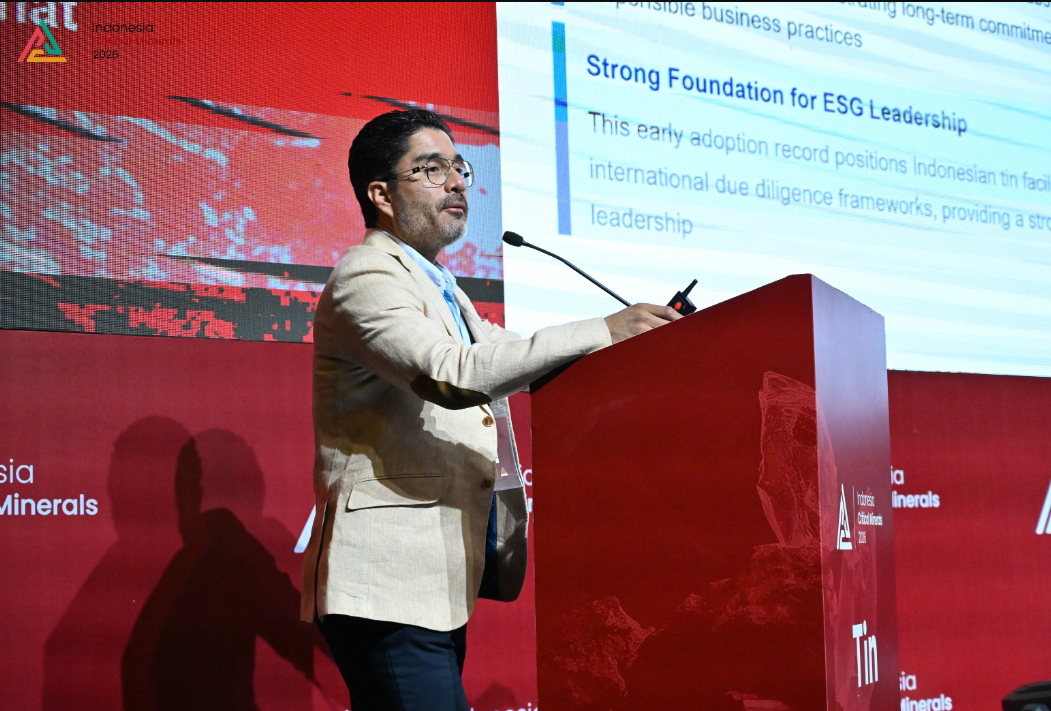
Keynote Speech: Due Diligence in the Indonesian Tin Sector: A Tradition of Early Adoption and Pathways for ESG Leadership
Guest Speaker: Josue Ruiz, Director of Facility Engagement, Responsible Minerals Initiative
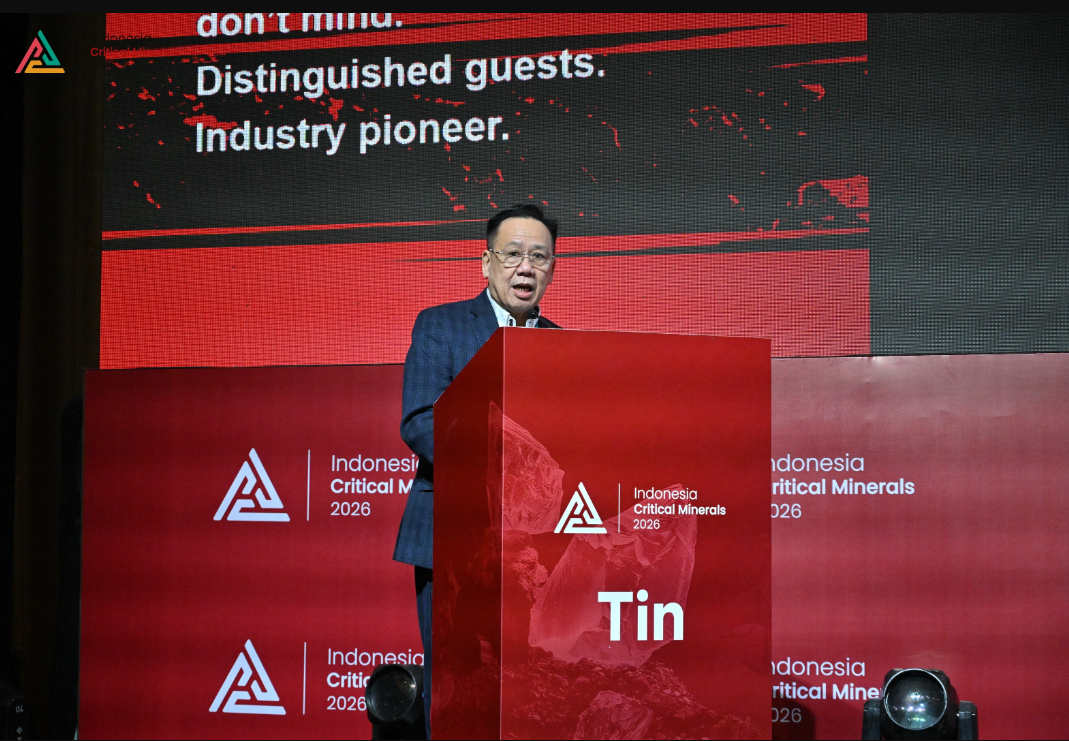
Keynote Speech: Malaysian Tin Mine: Market Breakthrough and Global Expansion from the Perspective of Critical Minerals
Guest Speaker: DATO DEREK TENG, Director of the SETARA JELITA SDN BHD, President of the MALAYSIA MARITIME SILK ROUTE RESEARCH SOCIETY
Critical Minerals in the New Era
Strategic Positioning and Core Applications of Tin
National Strategic Cornerstone: Listed in the “Critical Minerals List” by many countries, it holds an irreplaceable core position in securing national resource security and maintaining the resilience of global supply chains.
Modern Industrial Lifeline: The core raw material for electronic solder manufacturing, it supports semiconductor packaging, PCB circuit boards, and other electronic information industries, serving as the “industrial monosodium glutamate” of modern manufacturing.
Frontier Technology Engine: Empowering emerging technologies such as 5G communications, NEV batteries, PV modules, and AI chips, it drives the dual transformation of the digital economy and green transition.
Tin: The “Industrial MSG” Driving High-Tech Industries
► A Core Member of the Global Critical Minerals System
U.S. Official Designation: According to the U.S. Geological Survey (USGS) “2025 Critical Minerals List,” tin is formally listed as a critical mineral, regarded as a strategic resource vital to national economic development and national security.
Global Industry Consensus: In the mineral assessment systems of the EU and other developed economies, tin also occupies a core position. It is an indispensable “emerging cornerstone mineral” supporting the global digital economic transformation and the upgrade of the new energy industry.
The global tin application structure in 2025 is very clear: 53% is used in semiconductors and high-end electronic solder, 16% in fine tin chemical new materials, 11% in food-grade tinplate and tin cans, and 8% directly in the PV green new energy industry.
Tin Applications in High-Growth Sectors
Currently, three major high-growth tracks worldwide are continuously driving rigid incremental demand for tin.
First, AI computing power and hyperscale data centers:The tin consumption per unit of high-end AI servers is 3–13 times that of ordinary servers.
With the explosive growth of global AI computing power demand, the demand for high-end solder will continue to grow rapidly.
Second, new energy vehicles:Tin consumption per vehicle is about three times that of internal combustion engine vehicles, and for intelligent car models, it can reach up to 1.5 kg per vehicle.
Third, advanced packaging:The solder ball usage of advanced packaging technologies such as HBM (High Bandwidth Memory) is more than five times that of traditional DRAM.
Malaysia at a Crossroads
The Decline of a Former Empire and Opportunities for Transformation
► Glorious History · Tin Empire:
In the 1960s, Malaysia was the world's veritable "Tin Empire." Its tin production once accounted for one-third of the global total, and revenue from tin exports represented as much as 60% of the country's total export revenue, dominating the global tin trade landscape.
► Current Situation · Dual Challenges:
However, after industrial iteration, its share of global production was only 0.2% in 2023, with annual output falling to 6,100 mt, marking a sharp decline.
Malaysia still holds considerable secondary resource reserves of 780,000 tonnes, with native ore depleted but tailings holding significant potential.
► Future · Reshaping Value
Strategic Empowerment: Leverage the new strategic identity of “critical minerals” to enhance discourse power and bargaining power in the international supply chain.
Industrial Leap: Shift away from dependence on primary tin ingot exports and move towards high value-added deep processing manufacturing and the establishment of a circular economy system.
Core Challenges Faced
Currently, Malaysia’s tin industry faces four core structural challenges.
Market Breakthrough: Reshaping Value
Embrace the New Identity and Extend into Downstream High Value-Added Sectors
Build a Regional Circular Economy Center
Core Strategy: Fully leverage Malaysia’s industrial advantage as a global electronics manufacturing center, turning the large amount of tin-containing scrap generated during production—including solder dross, waste circuit boards, etc.—into valuable recycled tin resources, and establish an “urban mining” resource recycling system.
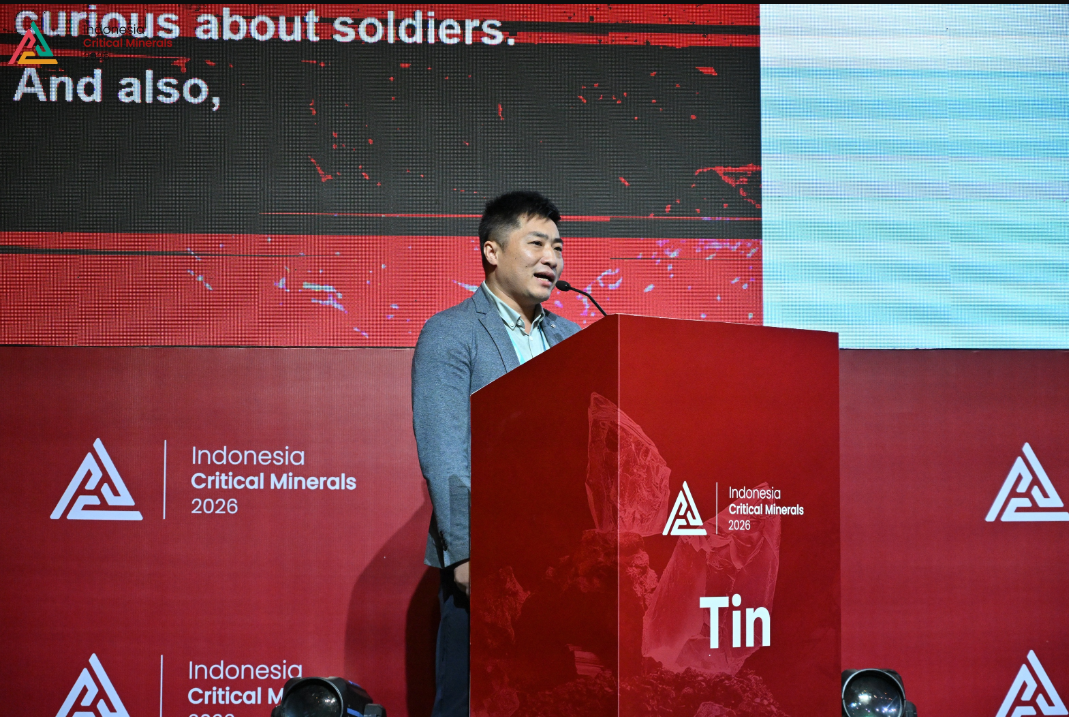
Keynote Speech: From Waste to Value: How Smelters and Recycling Enterprises Uncover Hidden Treasures in Tin Ore By-Products
Guest Speaker: Justin Wang, Director of Marketing and Technology, Stannum Solutions(Shanghai) Co., Ltd.

![The most-traded SHFE tin contract fluctuates at highs, and the spot trading sentiment further weakens [SMM Tin Midday Review]](https://imgqn.smm.cn/usercenter/nyMyJ20251217171751.jpg)
![[SMM Tin Briefing: Yunnan Tin Co., Ltd. Won 100% Equity of Chifeng Dajingzi Tin Industry for 177 Million Yuan]](https://imgqn.smm.cn/usercenter/wRltl20251217171750.jpg)