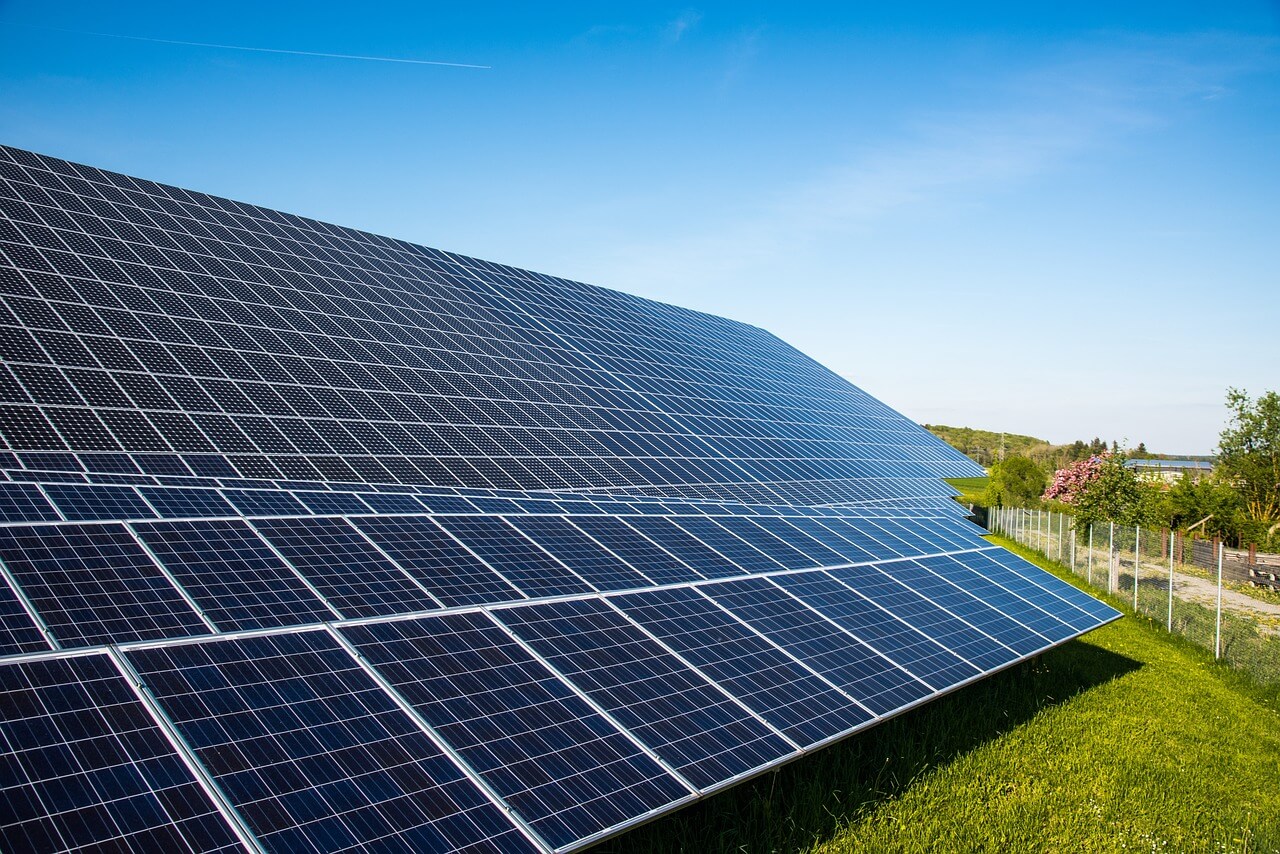
On February 24, Guotai Environmental Protection held its 15th meeting of the 4th Board of Directors, reviewing and approving the "Proposal on Amending Business Scope, Revising the <Articles of Association>, and Processing Industrial and Commercial Registration Changes." This adjustment not only represents a simple business expansion but also marks a key transformation of this traditional environmental protection enterprise into the new energy circular economy sector—adding businesses such as lithium-ion battery recycling, photovoltaic equipment leasing, and battery manufacturing, formally entering the closed-loop industry chain of the rapidly growing new energy sector.
Guotai Environmental Protection’s strategic adjustment is no coincidence. In recent years, China’s new energy automotive industry has maintained rapid growth. Data show that in 2025, China’s new energy vehicle production and sales both achieved nearly 30% growth, with new energy vehicle sales accounting for 47.9% of total auto sales. As early power batteries gradually enter their retirement phase, a substantial backend market is accelerating its formation.
Power battery recycling involves the collection, processing, and reuse of waste power batteries, aiming to promote resource circulation, maintain the ecological environment, and drive long-term industry development. Currently, the standardized recycling rate of waste power batteries in China remains below 50%, with a significant amount of waste batteries flowing into informal channels such as "small workshops," posing environmental risks and causing waste of strategic resources. Standardized recycling and utilization of retired power batteries are of great significance for reducing environmental pollution, ensuring national critical metal resource security, promoting industrial greening, and enhancing international competitiveness.
In February 2025, the State Council executive meeting reviewed and passed the "Action Plan for Improving the Recycling System of New Energy Vehicle Power Batteries," explicitly proposing to enhance the standard system and achieve standardized, safe, and efficient recycling of power batteries. Shortly after, six departments including the Ministry of Industry and Information Technology, the National Development and Reform Commission (NDRC), and the Ministry of Ecology and Environment jointly issued the "Interim Measures for the Management of Recycling and Comprehensive Utilization of Waste Power Batteries from New Energy Vehicles," which will be officially implemented on April 1, 2026.
This upcoming regulation is regarded by the industry as a "watershed" moment. The "Management Measures" establish a "whole life cycle" supervision system for power batteries, create a national traceability information platform for new energy vehicle power batteries, advance the monitoring of power battery flows and information traceability throughout their life cycle, and clarify the recycling responsibilities of power battery enterprises and new energy vehicle producers. This signifies that power battery recycling will transition from the previous "guerrilla warfare" approach to an era of "regular army" operations. The introduction of the new regulations is akin to establishing a clear set of "codes of conduct" for the industry, aiming to resolve the structural contradiction between the "segmented" layout of the industry chain and the management requirements for the "full life cycle," thereby building a closed-loop system encompassing "production—use—recycling—regeneration" across the entire chain.
![[SMM Analysis] AMG Lithium's Q4 2025 : Bitterfeld Plant Capacity Expansion, Lithium Concentrate Sales Up 84% MoM](https://imgqn.smm.cn/usercenter/nVnLo20251217171728.jpg)
![[SMM Analysis]Accelerating Strategic Reserves of Critical Minerals](https://imgqn.smm.cn/usercenter/jZvMC20251217171729.jpg)
![[SMM Analysis] Critical Minerals Strategic Reserve Accelerates](https://imgqn.smm.cn/usercenter/mzgdV20251217171729.png)