Hafnium: Strategic Core Metal for High-End Manufacturing

Published: Mar 18, 2026 15:54

As a niche yet high-strategic rare metal, hafnium (Hf, atomic number 72) lags behind common metals like copper in public awareness, but its unique physicochemical properties make it irreplaceable for nuclear power, aerospace, semiconductors and other high-end fields. This concise breakdown covers its core traits, supply dynamics and critical applications to highlight its underrecognized role in advanced manufacturing.

I. Core Properties

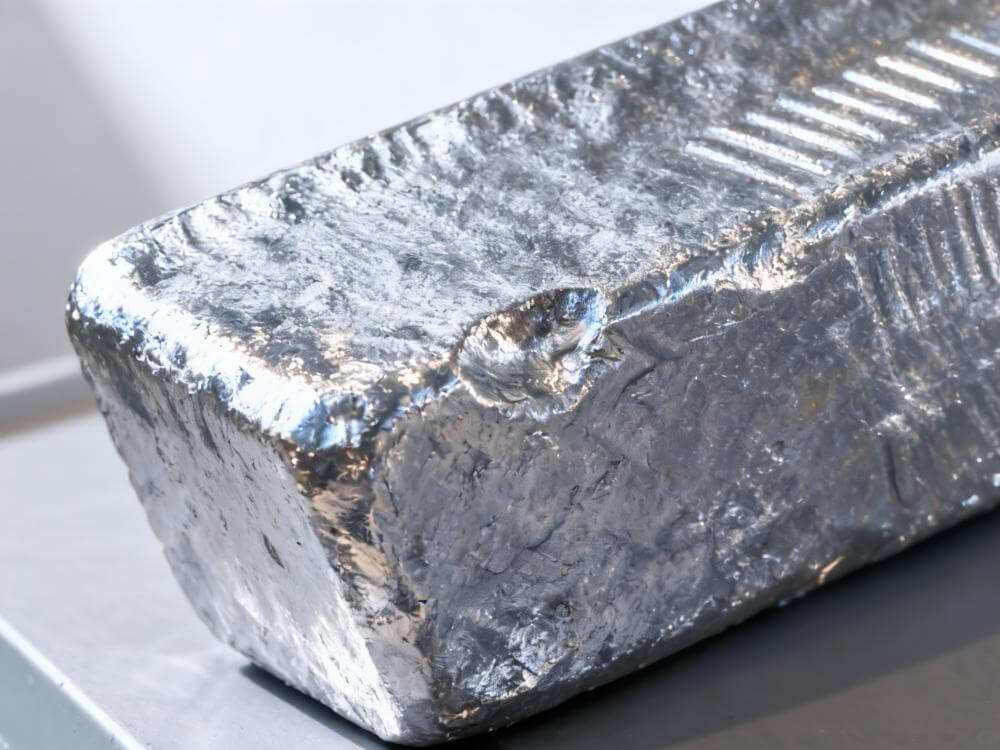
A silver-gray, high-melting-point transition metal, hafnium exists solely as a zirconium-associated metal—no independent ore deposits. The near-identical atomic radius and chemical properties of zirconium and hafnium make separation/purification highly challenging, the root of its scarcity.Key strengths for harsh industrial use:

  • 2233℃ melting point, exceptional high-temperature oxidation/structural stability
  • Strong room-temperature plasticity, balanced strength and toughness
  • Superior corrosion resistance (insoluble in dilute acids/alkalis, soluble only in hydrofluoric acid/aqua regia)
  • ~600x higher thermal neutron absorption than zirconium (ideal for nuclear reactor control)
  • High dielectric constant of hafnium oxide (critical for advanced semiconductors)
  • Carbides/nitrides (melting point >2900℃) for ultra-high-temperature ceramics and hard alloys
II. Supply & Scarcity

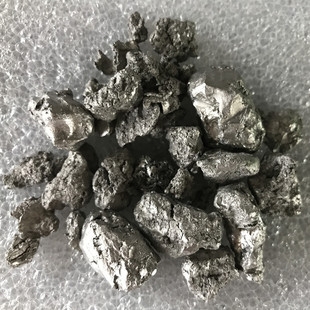
  • Resources: Extremely scarce (crustal abundance ~3 ppm), exclusively tied to zirconium ores. Global resources concentrated in Australia, South Africa, the U.S. and Brazil; China faces low hafnium content in domestic zirconium ores, leading to high external dependence.
  • Supply: Production hinges on zirconium smelting, with zirconium-hafnium separation as a core technical barrier. Only a handful of global players produce high-purity (nuclear/electronic-grade) hafnium at scale, forming an oligopoly. Annual output is ~hundreds of tons, with ultra-low supply elasticity—supply disruptions trigger sharp price swings.

Ⅲ. Irreplaceable Core Applications

Demand is rigid (no cost-effective substitutes) across high-end sectors:

  • Nuclear Industry: Preferred material for pressurized water reactor control rods, regulating reaction rates and ensuring safety. Driven by global nuclear power revival, demand is steadily growing.
  • Aerospace: Key nickel-based single-crystal superalloy additive, boosting high-temperature creep strength and lifespan for aero-engine turbine blades, combustors and rocket nozzles.
  • Semiconductors: High-purity electronic-grade hafnium oxide overcomes silicon dioxide’s miniaturization limits, reducing leakage current and enabling advanced-node chip production—a key growth driver.
  • Other High-End Fields: Used in cutting tool coatings, special electronic components, corrosion-resistant materials and emerging hydrogen storage research, with expanding use cases.

Ⅳ. Conclusion

Hafnium is a "scarce niche metal with rigid high-end demand," holding irreplaceable strategic value in China’s key industries (nuclear power, aerospace, semiconductors). The global market remains in long-term tight supply-demand balance, and its strategic and market value will rise alongside global advanced manufacturing upgrades.
Data Source Statement: Except for publicly available information, all other data are processed by SMM based on publicly available information, market communication, and relying on SMM‘s internal database model. They are for reference only and do not constitute decision-making recommendations.

For any inquiries or to learn more information, please contact: lemonzhao@smm.cn
For more information on how to access our research reports, please contact:service.en@smm.cn
Related News
China's Magnesium Exports Up 3,400 Tons YoY in Jan-Feb 2026, Positive Start to the Year
Common.Time.minsAgo
China's Magnesium Exports Up 3,400 Tons YoY in Jan-Feb 2026, Positive Start to the Year
Read More
China's Magnesium Exports Up 3,400 Tons YoY in Jan-Feb 2026, Positive Start to the Year
[SMM Magnesium Express] China's magnesium product exports totaled 72,700 tons in Jan-Feb 2026, up 3,400 tons year-on-year. January exports reached 40,300 tons, up 6% YoY and 4.2% MoM. February exports stood at 32,300 tons, up 3.7% YoY but down 1.96% MoM due to the Lunar New Year holiday, remaining above the same period last year. The year got off to a positive start.
Common.Time.minsAgo
Asahi Kasei, Nippon Steel Launch Titanium Recycling for Chlor-Alkali Cells, Enhancing Efficiency
Common.Time.minsAgo
Asahi Kasei, Nippon Steel Launch Titanium Recycling for Chlor-Alkali Cells, Enhancing Efficiency
Read More
Asahi Kasei, Nippon Steel Launch Titanium Recycling for Chlor-Alkali Cells, Enhancing Efficiency
[SMM Titanium Express] Asahi Kasei, Nippon Steel and Nippon Steel Trading have jointly launched a titanium recycling system for chlor-alkali electrolysis cells, processing production scrap into pure titanium feedstock for corrosion-resistant anode components. Through supply chain collaboration and digital traceability, the closed-loop system enhances resource efficiency and reduces environmental impact. The partners plan to expand cooperation to further integrate secondary raw materials into production processes.
Common.Time.minsAgo
Latrobe Magnesium Produces 20 Tonnes of High-Grade Magnesium, Aiming for 2026 Metal Production
Common.Time.minsAgo
Latrobe Magnesium Produces 20 Tonnes of High-Grade Magnesium, Aiming for 2026 Metal Production
Read More
Latrobe Magnesium Produces 20 Tonnes of High-Grade Magnesium, Aiming for 2026 Metal Production
[SMM Magnesium Express] Latrobe Magnesium successfully produced ~20 tonnes of high-grade magnesium oxide at its Victoria demonstration plant, with total magnesium compounds around 90%, paving the way for first magnesium metal production in H2 2026. The patented process uses brown coal power generation ash as feedstock, following a circular economy model. Long-term contracts with U.S. distributors are secured, with plans for a 100,000 tpa plant in Malaysia.
Common.Time.minsAgo