SMM News, March 10:
As global geopolitical conflicts continue and news on the Middle East conflict has been frequent recently, what impact will this have on the zinc industry? This article analyzes the issue from both fundamental and market perspectives:
I. Supply Side: Relatively Small Direct Impact, but Significant Indirect Shock
1. Direct Impact on the Ore Side (previous analysis available: How Does the Iran-Israel Conflict Affect Zinc Concentrates? [SMM Analysis] https://t.smm.cn/ElitBQ75)
Iran's annual zinc mine production is about 200,000 mt in metal content, accounting for less than 2 of global zinc concentrates.
China imported 86,000 mt of zinc concentrates from Iran in 2025, accounting for 1.62 of total imports.
Impact: The direct impact of supply disruption is relatively limited, but the market's expectations for Iran's new capacity additions in 2026 (Mehdiabad mine: 50,000 mt) have fallen short, amplifying expectations of marginal tightening.
2. Core Shock: Blockade of the Strait of Hormuz
About 12 of global seaborne zinc concentrates pass through the Strait of Hormuz.
Shipping costs have surged, insurance rates have risen, and routes have been forced to detour (via Suez / the Cape of Good Hope), leading to delayed arrivals and higher costs.
Impact: This indirectly pushed up global zinc concentrate premiums and lowered TC, raising smelter procurement costs and squeezing profits.
3. Transmission of Energy Costs on the Smelting Side
The conflict has driven up crude oil and natural gas prices, and European electricity prices have risen.
Impact: Electricity costs account for more than 30 of zinc smelting costs, leading high-cost European smelters to cut production and delay resumptions, tightening refined zinc supply.
II. Demand Side: Short-Term Sentiment, Medium-Term Pressure
1. Local Demand in the Middle East
The conflict directly suppressed demand in the Middle East, with consumption in infrastructure, energy, manufacturing, and other sectors pulling back, but the Middle East accounts for less than 5% of global demand, so the impact was relatively limited.
2. Impact on China’s Exports
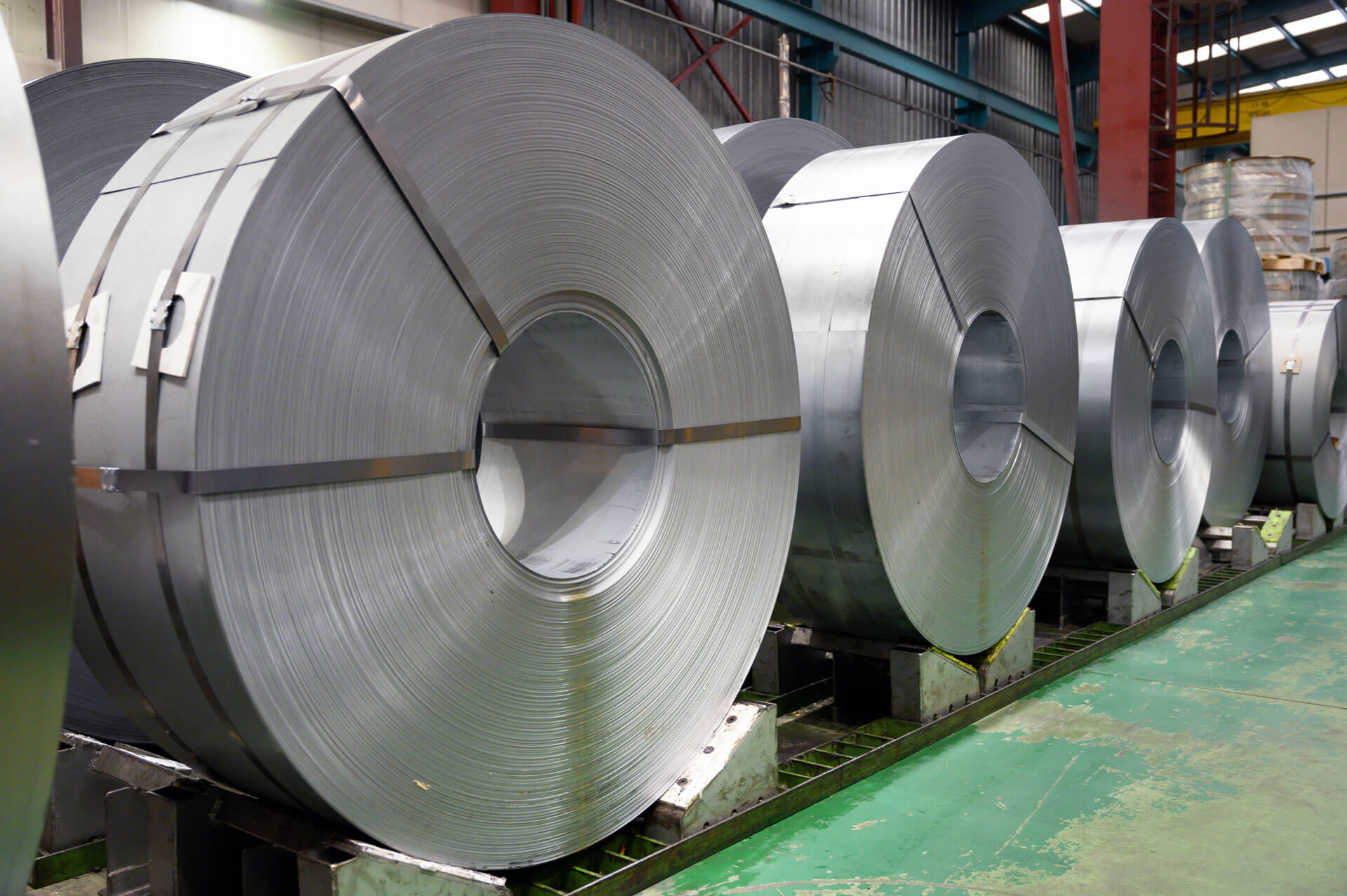
Customs data showed that in 2025, China’s exports of galvanized sheet to Middle Eastern countries accounted for 15.3%. At present, galvanized sheet exports to the Middle East are facing the combined impact of geopolitical conflict, shipping disruptions, trade barriers, and other factors, with short-term shipments and profits clearly under pressure.
Impact: Based on the current situation, Middle East galvanized sheet orders may only last until around the end of March. If the conflict eases in the short term and shipping lanes resume, exports are expected to recover quickly; post-disaster reconstruction will also drive some galvanized demand. If the blockade continues, galvanized sheet exports to the Middle East in H1 2026 will decline YoY.
3. Global Demand Transmission
Impact: Rising oil prices → warming inflation expectations → cooling expectations for US Fed interest rate cuts → stronger US dollar → pressure on industrial metal prices, zinc ingot prices under pressure
Slower global economic recovery → weaker demand → pressure on prices
Overall, the Middle East conflict had a relatively small short-term impact on zinc. Considering overseas costs and inventory, domestic-overseas long arbitrage remained the main strategy. In the medium term, attention should be paid to the pace of consumption recovery. If expectations for the peak demand season are realized and inventory continues to decline, zinc is expected to fluctuate at highs. If demand expectations fall short and smelting profits hold steady, a zinc-aluminum reverse arbitrage trade across markets may be considered.
(The above information was derived based on market collection and the comprehensive assessment of the SMM research team. The information provided in this article is for reference only. This article does not constitute direct advice for investment research decisions. Clients should make decisions prudently and should not use this as a substitute for their own independent judgment. Any decisions made by clients are unrelated to SMM.)

![Fundamentals Coupled With Macro Factors Kept SHFE Zinc Hovering at Highs [SMM Zinc Morning Comment]](https://imgqn.smm.cn/usercenter/VPThK20251217171754.jpg)