On February 28, 2026, Israel and the United States launched a joint military strike against Iran, causing geopolitical risks to rapidly spill over and drawing attention from the global commodity markets.
From the perspective of global supply patterns, Iran is not a core producer of copper concentrate. Data shows that although Iran's copper concentrate output has steadily increased in recent years, rising from 315,000 metric tons (metal tons) in 2017 to 410,000 metric tons in 2025, its share of global production has long hovered between 1.8% and 2.0%. Amidst expectations of a tight global copper concentrate supply-demand balance, any regional conflict and increase in the disruption rate could exacerbate the anticipated supply tightness.
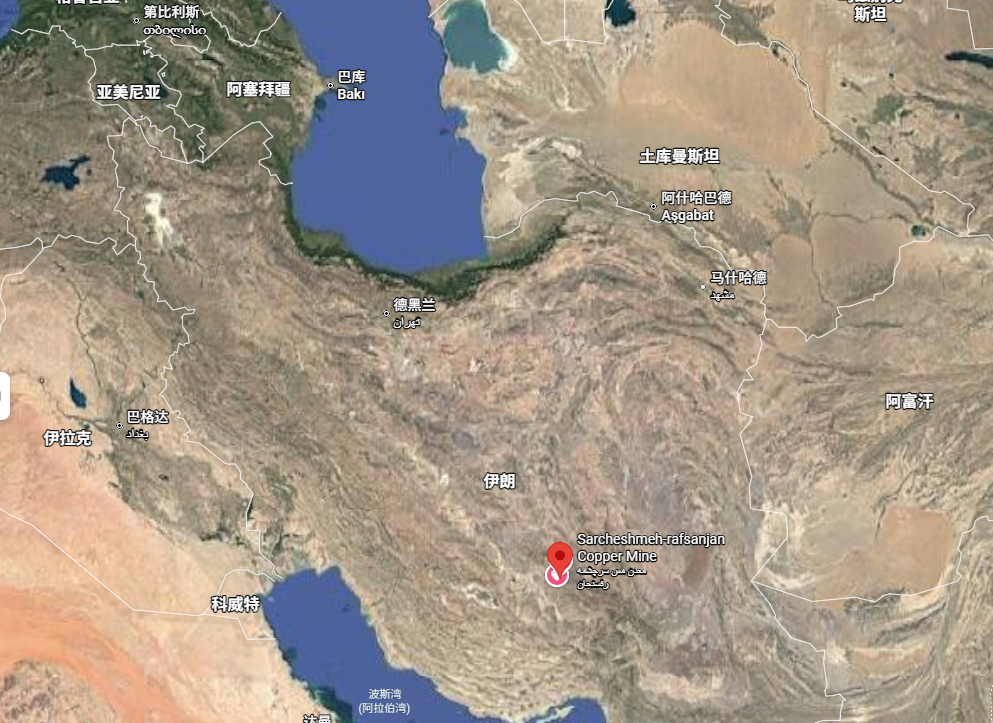
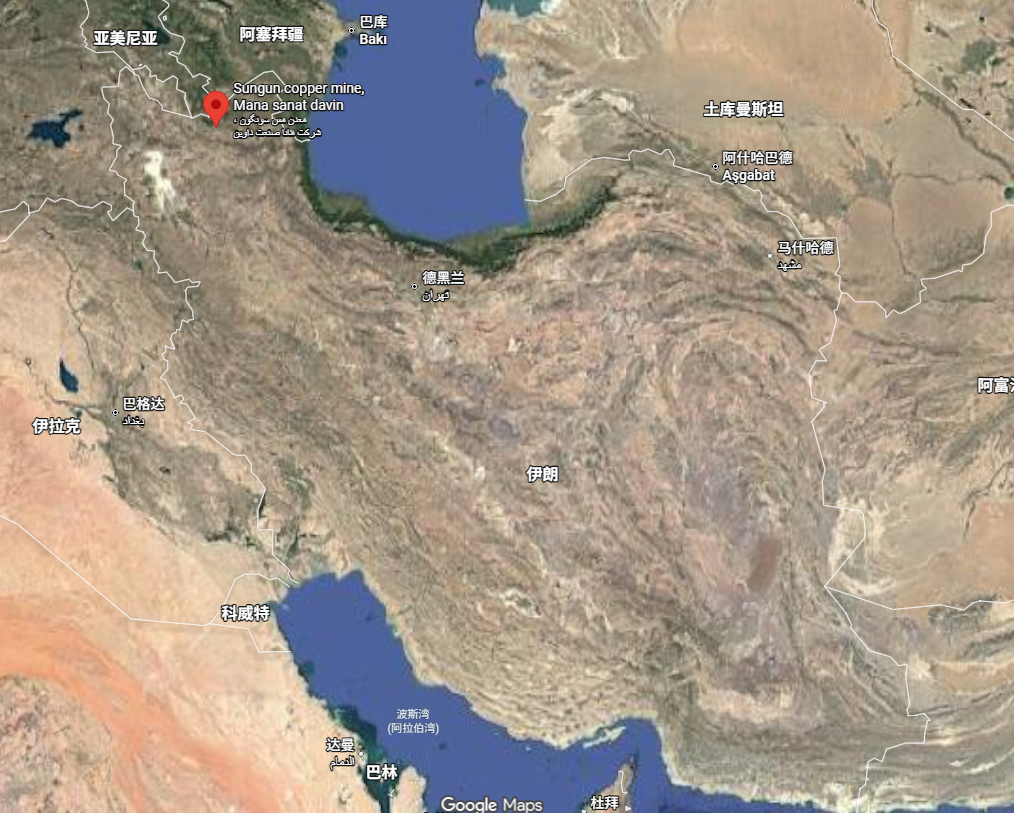
According to SMM, Iran's major copper mines are the Sarcheshmeh Copper Mine and the Sungun Copper Mine. In recent years, Iran's copper concentrate production has ranged between 350,000 and 400,000 metal tons. Moreover, both the Sarcheshmeh and Sungun mines are located far from the targeted Iranian capital, Tehran, meaning the current impact of this conflict on Iran's copper industry is relatively minor.
Focusing on the impact on the Chinese market, Iran also holds a marginal position in China's copper concentrate import structure. According to recent data from Chinese Customs, the volume of copper concentrate imported by China from Iran is only in the range of tens of thousands of physical tons per year, accounting for a very low proportion of China's total imports—consistently hovering around 0.1%. In 2025, copper concentrate imports from Iran accounted for only 0.1% of China's total.
Of course, the market sentiment fluctuations and potential increases in freight and insurance rates triggered by military actions warrant attention. However, these are more likely to be short-term sentiment disturbances and minor increases on the cost side, rather than a fundamental reversal in supply and demand fundamentals. China's copper concentrate import sources are highly diversified, relying primarily on regions such as South America and Asia. This diversified procurement channel provides a solid barrier for safeguarding national resource security.
Overall, the impact of this conflict on the copper industry is expected to be limited. SMM will continue to monitor subsequent developments.